Regrets or No Regrets?

“No regrets” is a popular motto, a badge of honor, and for some, a way of life.  It is even a popular tattoo, a slogan people literally engrave on their skin.  Despite its appeal, it turns out living the “no regrets” life isn’t really possible; we are actually hard-wired to experience regrets and that is a good thing.  You see, regret doesn’t just make us human, it can also make us better.  Brene Brown, the popular professor and author, puts it well: “No regrets’ doesn’t mean living with courage, it means living without reflection.”


A few years ago, a group of researchers put up a chalkboard on a New York City street and asked random passersby to write down their biggest regrets. The respondants were from different walks of life, but their regrets all had one alarming thing in common: the word “Not.”  They were primarily about chances not taken, about words not spoken, about dreams never pursued.  By the end of the day the chalkboard was completely filled with tales of regret.


We aren’t in New York City and there is no chalkboard here, but make no mistake, we are here today on Yom Kippur to express our regret, what we wish we could have done differently, mistakes we made, things we want to retract. 


Rabbeinu Yonah writes in Shaarei Teshuva:

עיקרי התשובה: העיקר הראשון – החרטה. יבין לבבו כי רע ומר עזבו את ה’

The first primary component of the repentence process is regret. One must recognize in his heart the sinfulness and bitterness of departing from Hashem.


What is charata and what role does it have in teshuva? Are we meant to beat ourselves up, knock ourselves down, be racked and riddled with shame and guilt, or does charata serve a different purpose?


Last year, Daniel Pink published a book called “The Power of Regret” in which he writes: “The conclusion from both the science and the survey is clear: Regret is not dangerous or abnormal. It is healthy and universal, an integral part of being human. Equally important, regret is valuable. It clarifies. It instructs. Done right, it needn’t drag us down; it can lift us up.” 


Pink found that to make our regrets work for us, we must respond systematically by neither avoiding them nor perseverating over them. He says there are three critical steps that corelate with what the Torah has already taught:


1. Reframe your regret.  Does what you regret deserve kindness or contempt? Does the regret represent a moment in your life, or does it define your life?  We ask Hashem yitamu chataim, eliminate mistakes, but not chotim, those who make them.  Even as we spend today confronting what we have done wrong, it is critical that we recognize they need not define us.


2. Disclose your experience and regret –  Pink argues that using language, whether written or spoken, forces us to organize and integrate our thoughts. Instead of those unpleasant emotions fluttering around uncontrollably, language helps us analyze them, limit them, learn and ultimately grow from them.  The Rambam sees vidui, verbal confession, acknowledging mistakes and shortcomings, as an indispensable, perhaps the most critical, element of teshuva. 


The Alter Rebbe connects the word charatah with charitah, engraving.  We have to admit what we regret so that we can engrave what we learned and ensure we don’t repeat it.  We cannot correct and repair ourselves without articulating our regrets.  Only when we disclose it, confront it, and analyze it can we learn from it and move on from it.  


3. Extract a lesson. – Lastly, Pink says don’t marinate, perseverate or get stuck.  The subtitle of the book is, “How looking backward moves us forward.” The Rambam says the step in teshuva after charata is kabbalah al ha’asid, extracting a lesson for the future, giving the regret meaning by turning it into positive action. Like the Alter Rebbe, the Alexander Rebbe links charata, regret, to charita, engraving, as in the pasuk in Yeshaya (8:1) b’cheret enosh, man engraved. Charata is an invasive process where we scrape away our most detestable and despicable traits until they are gone.


For the Alexander Rebbe, charata, regret, is not about the past, it is about knowing what to purge and cleanse and repair in the present. We can’t undo what we regret but we can learn and grow from it by changing our behavior now.  


In his formula for return and repair, the Rambam delineates the importance of regret, only he uses a different term. 

וּמַה הִיא הַתְּשׁוּבָה. הוּא שֶׁיַּעֲזֹב הַחוֹטֵא חֶטְאוֹ וִיסִירוֹ מִמַּחֲשַׁבְתּוֹ וְיִגְמֹר בְּלִבּוֹ שֶׁלֹּא יַעֲשֵׂהוּ עוֹד …וְכֵן יִתְנַחֵם עַל שֶׁעָבַר …וְיָעִיד עָלָיו יוֹדֵעַ תַּעֲלוּמוֹת שֶׁלֹּא יָשׁוּב לְזֶה הַחֵטְא לְעוֹלָם …וְצָרִיךְ לְהִתְוַדּוֹת בִּשְׂפָתָיו וְלוֹמַר עִנְיָנוֹת אֵלּוּ שֶׁגָּמַר בְּלִבּוֹ:


The word “ִתְנַחֵם” is often translated as “regret”, but it shares the same shoresh as the word for “console”.  When Hashem is saddened by the behavior of humanity after creating the world the Torah says וַיִּנָּחֶם ה’ כִּי עָשָׂה אֶת הָאָדָם בָּאָרֶץ. When Hashem is worried we will regret leaving Egypt, he took us a circuoutous route, כִּ֣י ׀ אָמַ֣ר אֱלֹהִ֗ים פֶּֽן־יִנָּחֵ֥ם הָעָ֛ם בִּרְאֹתָ֥ם מִלְחָמָ֖ה וְשָׁ֥בוּ מִצְרָֽיְמָה׃


Hashem is perfect, infinite, and omnipresent. How is it possible for Him to have “regret?”  It must be נָחָם doesn’t mean regret in the way we clasically think of it, but it means to pivot, to redirect. When performing nichum aveilim we aren’t assisting the mourners in regret, we are encouraging them to pivot and redirect their lives, now without their loved one.  In the context of Teshuva, מִתְנַחֵם  isn’t merely recalling the past and feeling bad and sad about it, but rather it is a process wherby we pivot from those decisions, actions, or feelings and redirect our priorities, focus, and choices.


In the process of teshuva, regret isn’t merely an emotion, it is a dynamic process whereby we replace the remorse-worthy act with an active commitment to “remove the mark” of that mistake currently embedded within us.


It was 2005. At 53-years of age, Eugene O’Kelly was full of life. As the chairman and CEO of KPMG, one of the largest U.S. accounting firms, O’Kelly was the consummate global jet-setter. His successful career brought him into the presence of Warren Buffet and other business giants. Gene spent days, nights, and weekends planning the firm’s continued success. He described himself as feeling, “vigorous, indefatigable, and … near immortal.”


In the spring of 2005, Eugene’s wife, Corinne, noticed that the right side of her husband’s face was sagging. He went to see a neurologist and within a week, Gene was diagnosed with inoperable, late-stage brain cancer. He was given three months to live. With this sudden and shocking diagnosis, Gene had to quickly determine how he would spend his remaining 100 days on earth. He made an immediate decision to make every minute of his life count. 


Gene wrote that he wanted “every calculated step to be filled with truth of purpose.” Gene struggled to live in the moment as he began a process he called “unwinding.” Bidding farewell to friends and loved ones not only spurred Gene to recall happy memories but kept his “focus on life, not death.” They guaranteed that he was “almost always thinking about what mattered.”


For those considering taking the time someday to plan their final weeks and months, Gene had three words of advice: “Move it up!” 


The gemara in Shabbos (153a) says:

  רַבִּי אֱלִיעֶזֶר אוֹמֵר: שׁוּב יוֹם אֶחָד לִפְנֵי מִיתָתֶךָ. שָׁאֲלוּ תַּלְמִידָיו אֶת רַבִּי אֱלִיעֶזֶר: וְכִי אָדָם יוֹדֵעַ אֵיזֶהוּ יוֹם יָמוּת? אָמַר לָהֶן: וְכׇל שֶׁכֵּן, יָשׁוּב הַיּוֹם, שֶׁמָּא יָמוּת לְמָחָר, וְנִמְצָא כׇּל יָמָיו בִּתְשׁוּבָה

Rebbe Eliezer says “Repent one day before you die.” His students asked him: “But does a person know which day he will die?” He responded: “Therefore he must certainly repent today, for maybe he will die tomorrow – in this manner all his days are spent in repentence.”


Don’t wait to unwind your life – move it up! Tell friends who have enriched your life, thank you. Ask those whom you have hurt or disappointed for forgiveness.  Identify your regret, reframe it, extract a lesson, and make a correction by redirecting yourself. 


Gene did one more thing in those last three months — he wrote a book called “Chasing Daylight.” It’s a moving and humbling narrative describing Gene’s search for a better way to die. He opens the book by saying, “I was blessed. I was told I had three months to live.” He writes that he worked hard so he could spend retirement with his wife — a goal that suddenly vanished with his diagnosis.


Chazal tell us that on this sacred day, Sifrei Chaim and Sifrei Meisim, the book of life and the book of death, are open.  We typically think of Hashem sitting before these great ledgers and determining where to put our name.  However, the Koshoglover, Rav Aryeh Zvi Frimer, writes in his Eretz Tzvi that Hashem isn’t the only author in these books.  On this special day, we decide what we want to write into the book of death, things that we want to let go of, destroy, put behind us. And we decide what to write in the sefer ha’chaim, what we want to give life to, learn from, grow from and build a future from.  


Regrets guide us in this editorial process as we choose the relationships, habits, and experiences that need unwinding and those that we need to lean into in order to lead a meaningful life.  Regret is not a time machine, we can’t undo the person, parent or spouse we were, but we can still determine the person we will have yet to be.


Gene spent many precious hours writing his book fully cognizant of his fundamental limitation — he would be unable to write the final chapter. In finishing the book that her husband began, Gene’s wife, Corrine, reflected on how Gene was so concerned about how to say goodbye to their teenage daughter: “He worked so hard to find the perfect trip or gesture or gift for her to have the rest of her life… but how is that ever possible? How do you unwind a relationship with your child who is only 14?”


In his final days, Gene had one profound regret:  “Had I known then what I knew now, almost certainly I would have been more creative in figuring out a way to live a more balanced life, to spend more time with my family.”


At the end of the experiement in Manhattan, the researchers wiped the chalkboard clean and wrote “Clean slate” across it. Today, we aren’t writing regrets on a chalkboard but as we feel charata, we can practice charita – engraving our regrets on our hearts as we klop al cheit shechatanu lefanecha. If we properly edit our books of death and of life and pivot accordingly, at the end of today, we, too, get a clean slate, a fresh start, as Hashem promises us: Salachti Kidvorecho.

Mission Possible

The story is told that Rav Levi Yitzhak of Berditchev once summoned all of the Jews to assemble in the town square the next day because he had an announcement of the greatest importance to make. He ordered that the merchants close their shops, all nursing mothers were to bring their infants, and that everyone, with no exceptions, was to be there to hear the announcement. The people wondered what the announcement could be. Was a pogrom imminent or a new tax? Was the Rebbe going to leave? Or was he perhaps seriously ill? Did he know the time when the Moshiach would come and was he going to reveal it? The entire community was assembled the next day with no exceptions, and everyone waited with baited breath to hear what the Rabbi would announce.


Precisely at twelve the Rebbe rose and said: “I, Levi Yitzhak, son of Sarah, have gathered you here today in order to tell you that there is a Ribono Shel Olam, there is a God in the world!”   That was it?  Yes, that was the important announcement.  Something so basic and yet so easily and regularly forgotten. 


The holiday we call Rosh Hashana is never called that in Chumash.  In Parshas Emor, the Torah refers to Rosh Hashana as zichron teruah and we therefore refer to it (for example, in our davening kiddush, and bentching) as Yom HaZikaron. The Day of Remembrance.   What does memory have to do with the New Year?  The simple understanding is that on this Day of Judgement, Hashem invokes the memory of all we have done, for good and for bad.  We describe Hashem as zocheir kol ha’nishkachos, He remembers all that is forgotten; indeed, one of the central components of our Mussaf, Zichronos, is dedicated to this idea.


But perhaps there is a deeper meaning to the aspect of zechirah and zikaron on Rosh Hashana and in the Teshuva process.    


Zichron teruah, yom ha’zikaron. What Teruah is the Torah commanding us to remember?


וַיְהִי בַיוֹם הַשְלִישִי בִהְיֹּת הַבֹּקֶר, וַיְהִי קֹּלֹת וּבְרָקִים וְעָנָן כָבֵד עַל-הָהָר, וְקֹּל שֹּפָר, חָזָק מְאֹד; וַיֶחֱרַד כָל-הָעָם, אֲשֶר בַמַחֲנֶה… וַיְהִי קוֹל הַשֹּׁפָר, הוֹלֵךְ וְחָזֵק מְאֹד

It came to pass on the third day when it was morning, that there were thunder claps and lightning flashes, and a thick cloud was upon the mountain, and a very powerful blast of a shofarThe sound of the shofar grew increasingly stronger; Moshe would speak and God would answer him with a voice.


Rosh Hashana is a day of remembering but it isn’t Hashem who is remembering us, it is a day for us to remember Him. For us to remember the day that we heard the unadulterated voice of Hashem at Har Sinai. Hashem spoke to us then through the sound of a shofar and He speaks to us again through the sound of the same shofar, an echo reverberating from that great day of revelation, a day when we received our mission from headquarters. A mission to be a Mamleches Kohanim v’Goy Kadosh. And this mission is more important now than ever.


On Rosh Hashana, we blow the shofar to coronate Hashem as our King and proclaim that we are His loyal subjects. But we need to connect with the shofar on a personal level as well.  The Rambam (Hilchos Teshuva Perek 3) famously states:  


אַף עַל פִּי שֶׁתְּקִיעַת שׁוֹפָר בְּרֹאשׁ הַשָּׁנָה גְּזֵרַת הַכָּתוּב רֶמֶז יֵשׁ בּוֹ כְּלוֹמַר עוּרוּ יְשֵׁנִים מִשְּׁנַתְכֶם וְנִרְדָּמִים הָקִיצוּ מִתַּרְדֵּמַתְכֶם וְחַפְּשׂוּ בְּמַעֲשֵׂיכֶם וְחִזְרוּ בִּתְשׁוּבָה וְזִכְרוּ בּוֹרַאֲכֶם

Even though the sounding of the shofar on Rosh Hashana is a decree, it contains an allusion. It is as if [the shofar’s call] is saying: Wake up you sleepy ones from your sleep and you who slumber, arise. Inspect your deeds, repent, remember your Creator.


Many know the beginning of the Rambam that the Shofar wakes us up, but to what?  The Rambam continues, it wakes us up to remember something, something that we can easily forget, someone we can easily be lulled to sleep about. In our day-to-day slumber of life, we can forget perhaps the most important thing of all, that we have a Creator.


The Rambam uses this language in describing teshuva gemura, complete teshuva too (Hilchos Teshuva 2:1):

אֵי זוֹ הִיא תְּשׁוּבָה גְּמוּרָה. זֶה שֶׁבָּא לְיָדוֹ דָּבָר שֶׁעָבַר בּוֹ וְאֶפְשָׁר בְּיָדוֹ לַעֲשׂוֹתוֹ… וּפָרַשׁ וְלֹא עָבַר זֶהוּ בַּעַל תְּשׁוּבָה גְּמוּרָה. הוּא שֶׁשְּׁלֹמֹה אָמַר (קהלת יב א) “וּזְכֹר אֶת בּוֹרְאֶיךָ בִּימֵי בְּחוּרֹתֶיךָ”.

Who has reached complete Teshuvah? A person who confronts the same situation in which he sinned when he has the potential to commit…nevertheless, he abstained and did not transgress. This is a complete Baal-Teshuvah. This was implied by King Solomon in his statement “Remember your Creator in the days of your youth, before the bad days come and the years draw near when you will say: ‘I have no desire for them.’”


The Rambam quotes a pasuk to prove tshuva gemura and what is it?  “Remember Hakadosh Baruch Hu, remember there is a Ribono Shel Olam.” Rosh Hashana ultimately is really as simple as that, it is a day of going back to the basics and making the main thing the main thing: that there is a Creator, He brought us into this world for a reason and to make a difference. When we remember Him, we live a mission-driven life, we ask how we can serve Him. When we forget Him, we get confused, we show poor judgment, and we make mistakes. 


To be clear, we daven for ourselves today, for our families’ health, wellbeing, livelihood and more.  There is nothing wrong with that, and in fact, that is our responsibility.  But why are those things important?  What is our argument to have them?  Because we remember there is a Ribono Shel Olam, because we want to fulfill His vision and mission for us, because we think we can be most efficient and productive, we can accomplish the most for Him and His vision if we have them. 


Sometimes it feels like momentum is carrying us. We continue to keep Shabbos, we daven daily, we pay the tuition and buy the expensive Kosher food.  We are running on a religious hamster wheel, but why, why are we doing those things?  Do we remember there is a Ribono Shel Olam?  Are we in a relationship and ongoing conversation with Him?  Do we talk to Him and do we interpret events in our lives as His talking to us?  Do we talk to our children and grandchildren about Him, sharing when we see Him in our lives, modeling for them when we lean on Him and turn to Him?


Mark Twain once said, “The two most important days in your life are the day you are born and the day you find out why.”  Rosh Hashana is the birthday of man, and we pause annually at this critical juncture to ask and to try to provide the answer to why.


Rosh Hashana is Yom Hazikaron, it is the day we give a big klop, not on the bimah but on our hearts, and like R’ Levi Yitzchak, we announce, there is a Ribono Shel Olam, there is a Creator, we are here to serve at the pleasure of the King. 


In February 2008, Esquire Magazine published an article entitled: “10 Who Tasted Greatness (and Choked on It).” The column mockingly counted down “the people who nearly reached the Heavens only to have hubris or plain bad luck trigger an unexpected return to the muck.”


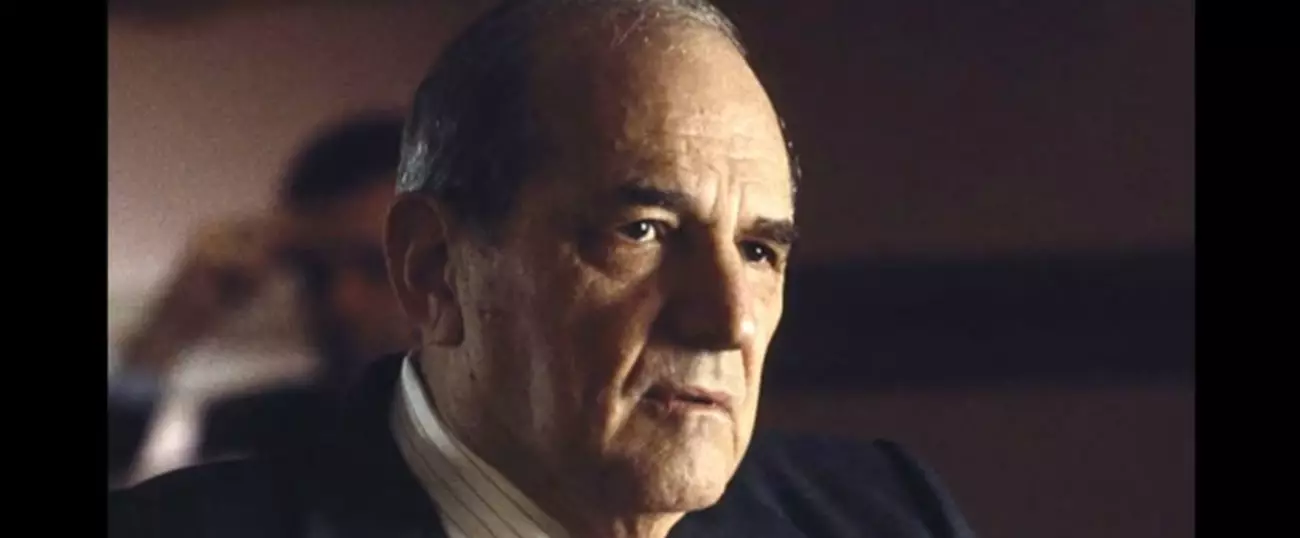
Number 10 on the list was Thomas E. Dewey – The “Almost President” who is most remembered for the Chicago Daily Tribune headline that published “Dewey Defeats Truman” before the full election returns were in.  Others on the list included athletes who came close to historic achievements and music groups that just missed their moment. Who might you ask is number 1 on the list? None other than Steven Hill, who was described by a legendary theater instructor as “one of the finest actors America has ever produced.” Hill, born Shlomo Krakovsky, was one of only 50 actors to be accepted to the newly created Actors Studio in 1947, landed his first Broadway role in 1948 and for the next two decades Hill was busy in theater, motion pictures and the so-called “Golden Age” of live TV drama. As a contemporary of his, another well-known actor put it, “When I first became an actor, there were two young actors in New York: Marlon Brando and Steven Hill. A lot of people said that Steven would have been ‘the one,’ not Marlon.”


Yet, despite being well on the way to success on Broadway and in Hollywood, Steven was still looking for something more in life. Appearing as Sigmund Freud in the play A Far Country in 1961 had a profound effect on Hill. In one scene, a patient screams at Freud, “You are a Jew?!” Freud would answer, “Yes.”  Over time, Hill found that exchange echoing in his ears for hours after every performance. “Yes,” he would say to himself, “Yes, I am a Jew.” He described, “I slowly became aware that there was something more profound going on in the world than just plays and movies and TV shows. I was provoked to explore my religion.”


In another interview, Hill said: “I used to ask myself, ‘Was I born just to memorize lines?’ I knew there had to be more to life than that. I was searching—trying to find the answers—to find myself—and I did.” Hill said that he had gone home to Seattle ten years earlier and was “feeling depressed because I seemed to be leading an aimless existence. Oh sure, I was a star with all the glamour and everything. But something was missing. My life seemed empty—meaningless.”


In 1966, he landed the starring role on Mission: Impossible. While the show would become an international hit and run for seven seasons, Hill was fired after the first season because he refused to work on Shabbos.


Hill began to study Torah with the Skverrer Rebbe, Rav Yaakov Yosef Twersky, and became shomer mitzvos. While Rav Twersky encouraged Steven not to give up on his acting career, Hill’s Shabbos observance made him unavailable for Friday night or Saturday matinee performances, effectively ending his stage career. He lost many film roles to actors like Marlon Brando and Paul Newman. Hill ltimately left acting for about a decade to focus on learning Torah and building a Jewish home with his second wife Ruchi, daughter of Rabbi Yehoshua Leib Shenker of Baltimore, and great-granddaughter of Rav Yosef Chaim Sonnenfeld.


Hill re-entered acting in 1977 and for the next 13 years he continued to struggle, landing some voice-over work and bit roles in movies. Then, in 1990, his agent called him and said: “I have the perfect role for you.” It was starring role in a new show called Law and Order. The role would accommodate his Shabbos observance and his requirement that his wardrobe had to be checked for Shatnez. If he was walking more than 4 cubits outdoors he could wear a hat. And he generally appeared on the show for 5-10 minutes each episode which gave him plenty of time to learn in his trailer during breaks. He finished Shas three times.


Unlike Steven Hill many, but not all of us were born into observant homes, we were privileged to receive Torah educations.  We have been keeping mitzvos our whole lives and yet, like him, we must become aware that there is something more profound going on in the world than just plays and movies and TV shows. We too should be provoked to explore our religion, to stop and remember Hashem, to be grateful He has placed us in His world and to be dedicated to fulfill our purpose. 


The Sfas Emes writes: כי הנה עיקר התשובה הוא לתקן השליחות שנשתלח האדם לעוה״ז, the core of teshuva is returning to fulfilling our mission in this world.  On Rosh Hashana, listen to the sound of that shofar and ask yourself, what is your mission?  Steven Hill, or Reb Shlomo as he was known in Skver, fulfilled his mission… It was hard, it required great courage and sacrifice. But it was not impossible, and neither is ours once we make the effort to discover it.


Zichron teruah, yom ha’zikaron – as we celebrate the birthday of humanity, let us pause to find out why.  Let us be zocheir boreinu, remember our Creator, remember that there is a Ribono Shel Olam and use these ten days to ask, how can we be better, better husbands and wives, better mothers and fathers, better children, how can we be better ovdei Hashem. 


A Reciprocal Relationship

We often picture God this time of year as a judge, sitting at His bench, waiting to catch us, judge us and hold us accountable.  Not only is this not a healthy and constructive image, it is not the image our rabbis and our tradition want us to have.


Our rabbis list many acronyms for Elul.  In fact, I saw one list of 55 different pesukim or parts of pesukim in Tanach that have words beginning with aleph, lamed, vav, lamed.  However, the most famous is the pasuk in Shir HaShirim – ani l’dodi v’dodi li, I am to my beloved and my beloved is to me, a sense of reciprocal love with Hashem.  Our rabbis did not want us to live this month gripped with fear and paralyzed by fright.  The image they painted is not one of a strict judge seeking to exact justice. 


When they sought to provide an image, when they looked for a verse, of the 55 in Tanach they could have chosen from, almost all selected ani l’dodi v’dodi li.  The Mishna Berura and Kitzur Shulchan Aruch, two works on Halacha, quote it.  The Avudraham emphasizes that it is this acronym that best conveys the sentiment of this time of year, a deep and profound sense of love. 


Our rabbis chose a pasuk from Shir HaShirim, the ultimate love story describing the yearning, longing, love and affection between Hashem and His people.  Note that Shir HaShirim is not the story of our boundless love and dedication for Hashem. Nor is it the story of Hashem’s unconditional love and affection for us.  It is ani l’dodi v’dodi li, it is the story of reciprocal love, of give and take, of two parties both invested in the relationship with each other.


We don’t talk about this often enough and perhaps it is because another religion essentially stole it from us and put it on bumper stickers everywhere, but we need to know – Hashem loves us.  He doesn’t just know we exist.  He isn’t just aware of every detail of our lives and He doesn’t just involve Himself in our lives.  He thinks about us, cares about us, craves a relationship with us, and most of all, He loves us. 


Hashem loves us means He isn’t looking to catch us or punish us.  He wants what is best for us. He roots and cheers for us. He wants us to succeed and He wants us to be happy.  Hashem knows all of our faults and shortcomings.  He is aware of our mistakes and our challenges, and yet He loves us.  He is never jealous of us, He is never competing with us and He is never tired of us.  He simply loves us.  What He wants in return is to be loved by us as well.


We sometimes struggle to feel Hashem’s love or to feel His presence in our lives and if you are going through a difficult time, that is certainly understandable.  But nevertheless, even then: Ani l’dodi v’dodi li – Elul is all about reciprocity.  Hashem relates to us as a reflection of how we relate to Him.  We want to count on Him, but can He count on us?  We wish He would talk to us, but do we sincerely talk to Him?  We want Him to think of us but how often do we think of Him?


In the mid-1920’s, a chassid approached the Imrei Emes, Rabbi Avraham Mordechai Alter of Ger: “Rebbe, I am traveling to Paris on a ten day business trip. Would the Rebbe give me a bracha (blessing) that I be successful in my venture?”


After a warm blessing the Rebbe continued to make his own request. “In Paris they sell an exclusive cigar brand that is reputed to be the best in all of Western Europe. I would appreciate if you would find that brand and bring me back a box.”  The chassid was puzzled by the request, but responded enthusiastically.


“Of course, Rebbe! No problem. I will find out which is the best brand in all of France and bring you back two boxes!” The men went on his trip and indeed returned two weeks later. He visited the Rebbe to thank him for his blessing. “Do you have the cigars?” asked the Rebbe.


The man blushed. “Rebbe, you have to forgive me. When I was in Paris, I was so immersed in business that I totally forgot about your request. But do not worry. On the way back I made a special stop in Belgium and got you the best Belgian cigar available. I was assured that it is of equal quality to the French cigar if not better!”


The Rebbe shook his head. “My dear chassid, I did not need cigars. The reason I asked you to get me the cigars while you were in France is because I wanted those cigars to be on your mind. In that manner you would remember during your stay there that you have a Rebbe.”


Hashem gives us lots of mitzvos, asked us to do many things.  He doesn’t need our mitzvos.  He gives them to us because He wants us to have Him on our minds, to think about Him, to care about Him, to love Him.


Ani l’dodi v’dodi li – Hashem loves us so much.  He showers us with blessing.  If we would only take the time each day to think about it. If we would only make the effort to keep a gratitude journal we would recognize how much goodness, how many blessings we receive that far surpass what we deserve.  Hashem loves us. Do we show Him love in return? 


The Best Nine Days You Ever Had

I still remember vividly one of the strangest ads I have ever seen.  When I was much younger, a restaurant in my neighborhood was promoting its special menu for the Nine Days, including fish specials, tofu dishes, and veggie burgers.  But it was the final line in the ad, bold and in large letters, that caught my attention: “It will be the best Nine Days you ever had.”      


Best Nine Days you ever had?  That is like saying, “We have an amazing menu planned for you, this will be the best shiva you will ever sit.”  We don’t refrain from meat and wine during the Nine Days as a way to expand our palettes or as motivation to get us to experiment with new recipes.


These Nine Days are dedicated to focusing on our collective mourning and our communal grief for both the tragedies and calamities of our past and for the challenges and suffering that continue in our present.  During these days, we abstain and refrain from things like meat, wine, laundry, music, and haircuts.  But, there is something in particular we should do more of during this time, an area we should increase our attention and focus on: saying hello to one another.


The Talmud (Yerushalmi Taanis, Chapter 1) tells us that on Tisha B’Av we don’t offer greetings, we don’t say hello to others.  The Shulchan Aruch (555:20) records this practice, ein she’eilas shalom l’chaveiro b’Tisha B’Av.  The Aruch HaShulchan suggests a reason for this unusual law.  Tisha B’av isn’t a day of shalom, it isn’t a day for socializing and levity. 


While lightheartedness is inconsistent with the essence of the day, specifically being cold to one another, and making ourselves distant and unfriendly, hardly seems like the antidote to sinas chinam, baseless hatred, the cause of the destruction to begin with. Wouldn’t you think on the day we mark our suffering that resulted from baseless hatred we should explicitly go out of our way to be friendly, greet others, be warm to one another?  


Our prophets tells us that the destruction was caused by the cruelty we showed others.  We criticized, marginalized, judged, and neglected those who needed our help and support.  We made the vulnerable feel invisible, lonely, and outcast.  As a result, yashva badad, Hashem made us feel that way among the nations.


Perhaps the reason we don’t give shalom, we don’t say hello to each other on Tisha B’Av is so that each of us experiences what it feels like to be an outcast, lonely, estranged, and deserted.  By not exchanging greetings, by not saying hello, we learn what it feels like to be badad


If we want to transform Tisha B’Av from a day of mourning in which we are forbidden to greet, to a holiday, we must transform these Nine Days into days in which we are running to say hello, to offer warm greetings to one another, we must rush to make everyone feel and know they belong. 


The Talmud testifies (Berachos 17a) about Rabban Yochanan ben Zakai that no one ever preceded him in a greeting of Shalom, even a stranger in the marketplace.” The Mishna in Pirkei Avos (4:20) encourages us all, “Hevei makdim b’shalom kol Adam, be the first to greet each person.” The Maharal explains that when you walk past someone without offering a greeting, you make him or her feel invisible and insignificant. By making a point of greeting someone you demonstrate that you don’t see yourself as superior or better than another. Rather, by instigating the greeting, you show that you respect that person as an individual and thereby you give them dignity and worth.


Rav Shlomo Zalman Auerbach’s brilliance was undeniable, and yet it was perhaps surpassed only by his humility and sensitivity to all. R’ Chanoch Teller recounts the following anecdote: “When Rav Shlomo Zalman passed away, a beggar in Sha’arei Chesed sobbed in her anguish: “Now who will say ‘good morning’ to me every day?” (Mi yagid li boker tov?)”


Casually reaching out to people in our social circles can mean more than we realize.  New research published last year in the Journal of Personality and Social Psychology found people tend to underestimate how much friends like hearing from them. An article summarizing the findings says: “Calling, texting or emailing a friend just to say “hello” might seem like an insignificant gesture — a chore, even, that isn’t worth the effort, but it makes a huge difference and means an enormous amount to people.  Researchers concluded that “To be functioning at our best, we need to be in a connected state.  Just like you need to eat, like you need to drink, you need to be connected to be functioning well.”


Someone who moved from another community shared with me that where they are from, on Shabbos people walk right by each other.   In fact, if you say “Good Shabbos,” someone will give you a funny look and ask, “Do we know each other, do I know you, why are you talking to me?”  In that community, smiling and greeting every person you pass is weird, peculiar and makes you stand out.


If we want to bring Moshiach, if we want to repair and redeem this world, we need to create a culture in which it is strange and peculiar to not say hello to everyone we meet.  Wishing “Good Shabbos” to all we pass must become the standard, the default.


There is no time of the year in which more siyums are made than these nine days.  While many love Torah learning, some deliberately pace their learning to allow themselves to celebrate the siyum with meat and wine.  Indeed, there are restaurants today that advertise siyums on the hour so people not even connected to the one making the siyum can attend and “celebrate” with a big steak.


The Baal Shem Tov was a proponent of Nine Days siyums.   He suggested promoting siyums widely and publicly and specifically inviting many others to attend and participate.  But here is the catch.  While he encouraged a daily siyum, he also advocated that no meat be eaten at the meal marking the siyum.  The purpose of the gathering should be simply to say hello to each other, to socialize and greet and to communally bask in the light of Torah learning and Torah living.  Attending such a siyum each night can truly make it the best nine days you ever had.  


On Tisha B’Av we can’t greet, we can’t fix the problem, we sit on the floor and cry about the churban going on around us, and in too many cases, inside us.  We cry and we grieve for the pain, but we must be prepared to get up off the floor and do something about it, to reach out and ensure that nobody is alone.  At the end of Tisha B’av we are allowed to break the fast, but the question is which fast will we break first, our fasting from food or from friends?  Will we reach first for a coffee or our cell phone?  Will we first consume or connect?


Who is the Donor and Who is the Recipient?

In a mind-boggling statistic, Orthodox Jews represent 0.2% of the US population and yet make up almost 20% of altruistic kidney donors.  This past Shabbos, our community hosted an incredible partnership weekend with Renewal that included a panel discussion with members of our community who have donated their kidneys and one member whose life was saved by receiving a kidney.  At the energized concert with Eitan Katz on Motzei Shabbos, one of our members met his donors parents for the first time. The parents used the public setting to express endless gratitude for his having saved their daughter’s life.


Listening to the donors describe what giving a kidney meant to them and speaking with our member who had now connected with the family of the girl who carries a piece of him in her, it became clear that while the kidney donors heroically answered the call to give, they had received even more than they gave.


When Rus courageously and selflessly follows her mother-in-law Naomi, they are destitute and impoverished.  Rus finds a generous benefactor who invites her to glean from his field and brings the food back to Naomi to share with her.  Naomi inquires about the identity of the benefactor and Rus offers a peculiar answer:


וַתֹּ֩אמֶר֩ לָ֨הּ חֲמוֹתָ֜הּ אֵיפֹ֨ה לִקַּ֤טְתְּ הַיּוֹם֙ וְאָ֣נָה עָשִׂ֔ית יְהִ֥י מַכִּירֵ֖ךְ בָּר֑וּךְ וַתַּגֵּ֣ד לַחֲמוֹתָ֗הּ אֵ֤ת אֲשֶׁר־עָֽשְׂתָה֙ עִמּ֔וֹ וַתֹּ֗אמֶר שֵׁ֤ם הָאִישׁ֙ אֲשֶׁ֨ר עָשִׂ֧יתִי עִמּ֛וֹ הַיּ֖וֹם בֹּֽעַז׃

Her mother-in-law asked her, “Where did you glean today? Where did you work? Blessed be he who took such generous notice of you!” So she told her mother-in-law whom she had worked with, saying, “The name of the man that I gave to today is Boaz.”


Shouldn’t it say the man who did something for me, who gave to me, not the man I did something for, gave to?  After all, Boaz was the donor and Rus the recipient of his generosity, why did she formulate it in the reverse?


The Midrash explains:

תָּנֵי בְּשֵׁם רַבִּי יְהוֹשֻׁעַ, יוֹתֵר מִמַּה שֶּׁבַּעַל הַבַּיִת עוֹשֶׂה עִם הֶעָנִי, הֶעָנִי עוֹשֶׂה עִם בַּעַל הַבַּיִת, שֶׁכֵּן אָמְרָה רוּת לְנָעֳמִי שֵׁם הָאִישׁ אֲשֶׁר עָשִׂיתִי עִמּוֹ הַיּוֹם, וְלֹא אָמְרָה אֲשֶׁר עָשָׂה עִמִּי, אֶלָּא אֲשֶׁר עָשִׂיתִי עִמּוֹ, הַרְבֵּה פְּעוּלוֹת וְהַרְבֵּה טוֹבוֹת עָשִׂיתִי עִמּוֹ בִּשְׁבִיל שֶׁהֶאֱכִילַנִי פְּרוּסָה אַחַת.

The poor person does more for the rich person than the rich person does for the poor person. We derive this from Rus’s statement to Naomi, “the name of the man with whom I dealt today [is Boaz].” Rus did not say “the name of the man who did something for me, but rather, “I did for him”, [as if to say] “I did so much for him, did so much good for him, all for a single piece of bread” (Rus Rabbah 5:9).


We often mistakenly think that the person in position to give resources or time or energy is the blessed donor, generous, selfless in sharing what they have with those less fortunate or blessed. And we often assume the recipient is the nebuch, the one in need, dependent, and taking from others.  The Torah tells us to reject those assumptions.  The person in a position to share gains more than they give when they turn outward and care about others, when they find purpose for their possessions and meaning, and a mission for their talents. The recipient may need a particular kindness, but by graciously agreeing to receive and to accept help, they empower, enrich, and enable the other become who they are supposed to be and live the life they are meant to live. 


Rus introduced us to a new perspective on chesed, demonstrating that it isn’t one directional, there isn’t a clearly defined generous donor, a giver on one side, and a nebuch recipient, a taker on the other.  Rather, chesed goes in two directions, each one gives and each one receives, together they gain when they graciously coordinate to provide what the other is lacking: one tangible and the other something even more valuable.


The Rama quotes the Avudraham who tells us that we have the custom to read the Megillah of Rus on Shavuos. The Midrash notes that there are no new laws in the Megillah but we learn from it the reward for genuine chesed, the foundation upon which the whole world rests and the prerequisite to the Torah.


On Nov. 6, 2019, Matt and Andrea Campell noticed that their one-year-old son Brooks’ eyes and skin looked yellow, a sign of jaundice. The next day they took him to their pediatrician, which led to a trip to the emergency room at nearby Akron Children’s Hospital. A day later, Brooks was being transported by ambulance to Cleveland Clinic Children’s, where he was diagnosed with acute liver failure.


Dr. Koji Hashimoto, the Cleveland Clinic director of living donor transplantation, made it clear to the Campbells that they had a few days to find little Brooks a match. Matt was hoping to be the donor, but after six hours of testing, doctors determined he had a blood clotting disorder that disqualified him. The rest of his family was also ruled out because they had the same disorder.


Andrea was 15 weeks pregnant at the time, so she also could not be a donor.  Her brother Grant had flown in and was in the room when they found out nobody so far had been a match or was eligible to donate their liver.  Grant volunteered on the spot.  By the next day, he was cleared and Brooks was being prepped for surgery.  Less than a week after the diagnosis was discovered, Grant underwent a six-hour surgery and Brooks underwent a 13-hour transplant surgery, led by Hashimoto, that was successful.


Brooks is now a rambunctious 4-year-old whose liver is continually monitored by doctors. He is also now a big brother to James, who was in the womb when Brooks was fighting for his life.   At first glance, this is a marvelous and heartwarming story of a generous donor and grateful recipient, an uncle and nephew with matching scars and a special bond. 


However, upon closer examination, it is much less clear who is the donor and who is the recipient.  Grant did the most selfless thing for his nephew when he underwent surgery and gave a piece of his liver to save his nephew’s life.  But here is the most amazing part of the story.  When he had first heard of the dire circumstances and immediately came to be with his sister and her family, he was in the midst of a very turbulent time in his life. He had recently moved away from his family to Texas, ended a relationship, and had a new business fail, all of which had led to severe depression. 


He had gone into isolation and the very day he learned about his nephew’s health crisis, he had been thinking about taking his own life.  However, when his nephew needed him, he found his purpose, his will to live, because he had done something selfless for someone.  He saved a life and that gave him his life back. Grant’s selfless act helped him as much as his nephew.  


If you look at the story on the surface, Grant is the hero, the donor who saved his  nephew.  But if you look a little closer you will see that Grant was the recipient; his nephew had saved his life.   


On Sunday morning, across the community, Renewal set up swabbing stations to help find more kidney donor matches and save more lives. A woman in the community I have long admired for her generous and giving spirit shared with me that she was moved by the Shabbos presentations and had gotten swabbed.  She commented to me, “I just know I am not going to get called, I never win anything and I am never chosen for things like this.”  I was stunned that here she was the prospective “donor” and yet she was thinking of the opportunity to give as “winning” the lottery or raffle, hitting the jackpot. 


The story is told of a Holocaust survivor in Crown Heights named Yankel. He related: “You know why it is that I’m alive today?  I was a kid, just a teenager at the time.  We were on the train, in a boxcar, being taken to Auschwitz. Night came and it was freezing, deathly cold, in that boxcar.  The Germans would leave the cars on the side of the tracks overnight, sometimes for days on end without any food, and of course, no blankets to keep us warm.


“Sitting next to me was an older Jew – this beloved elderly Jew – from my hometown I recognized, but I had never seen him like this.  He was shivering from head to toe and looked terrible. So I wrapped my arms around him and began rubbing him, to warm him up. I rubbed his arms, his legs, his face, his neck.  I begged him to hang on.  All night long I kept the man warm this way.  I was tired, I was freezing cold myself, my fingers were numb, but I didn’t stop rubbing the heat on to this man’s body.  Hours and hours went by this way. 


Finally, night passed, morning came, and the sun began to shine.  There was some warmth in the cabin, and then I looked around the car to see some of the other Jews in the car.  To my horror, all I could see were frozen bodies, and all I could hear was a deathly silence. Nobody else in that cabin made it through the night, they died from the frost. 


Only two people survived: the old man and me. The old man survived because somebody kept him warm.  I survived because I was warming somebody else.


There are no shortage of opportunities to warm others from inviting and hosting, cooking meals, checking in on others, contributing to causes and volunteering time.  When you give of yourself or your resources you will realize that when you warm others you are warming yourself and that while you think you are the donor, you may just be the recipient who has won the lottery. 

Learning to Say Genug Shoyn, Enough Already

There is no doubt that Yiddish has exerted an influence on English. There are expressions in English that seem to have been around for a long time but, in reality are relatively modern and originated in Yiddish. For example, “I need something like I need a hole in the head” only began in the early 1950’s. It is a direct translation of the Yiddish expression, “tsu darfn vi a loch in kop.” “OK by me” is also relatively recent and comes from Yiddish.


Another example: The expression “enough already” is constructed very poorly using the rules of English grammar. There’s a good reason for that, since it, too, comes from the Yiddish and is just a translation of the phrase “genug shoyn.”


Genug shoyn is not just an expression, it is one of the most important themes of Pesach, one that can in fact set us free. The Rambam does not have Dayeinu in his Hagaddah, and even Rav Sa’adia Gaon, whose Hagaddah serves essentially as the basis for ours, only includes Dayeinu as an addendum at the end of the Haggadah among those songs that only those who can hold their wine sing.


But for us, it is almost impossible to imagine the Seder night without the singing of Dayeinu. Everyone from young children to octogenarians look forward to this moment during the Seder, not only because it indicates we are finally coming close to the meal, but because it is a centerpiece of the Hagaddah and a highlight of the Seder experience.


Dayeinu’s message is simple; genug shoyn. Enough already! Enough is enough. On this evening during our journey from slavery to liberty, we achieve our very freedom by saying Dayeinu, genug shoyn, we have enough, we experienced enough, we are satisfied enough.


Dayeinu. It is enough to enjoy this moment, to be present in this experience, to savor this gift and to cherish this opportunity without having to already look forward or crave the next one. Of course, each stage and each stanza is incomplete and imperfect, but nevertheless, dayeinu— each is still enough. Enough to say thank you and even enough to make us happy.


Like the stanzas of Dayeinu, our lives are often incomplete, they are imperfect. If we focus on what is missing, what we don’t yet have or may never have, we become debilitated and deprived of happiness. But, if we find the capacity to sing Dayeinu, to focus on what is and not what isn’t, to enjoy what we have and not long for what we don’t, we set ourselves free to find happiness.


Chazal (Koheles Rabbah 1:34) highlight a basic human quality: Mi she’yesh lo mana, rotzeh masayim, he who has one hundred desires two hundred. Ambition, aspiration, and determination are admirable qualities; they push us towards greatness. But they come with a great cost. An insatiable appetite for more, a voracious need for the latest, being unsatisfied without the newest and the best, robs us of serenity, denies us happiness, and often distracts us from what matters the most.


We live with unprecedented freedoms: freedom to practice our religion, freedom of speech, freedom to pursue happiness. And yet, with all this freedom, our generation remains enslaved. We are slaves to “more.” We are dominated by needs. Our need for more money, need for more time, need for more things, need for the latest things, need for a better seat, need for a better room, need for more power, need for more friends, need to have the last word, even our need to be needed.


Our needs, wants, and lack of contentment become our taskmasters. They occupy space in our head and in our hearts, they hijack our thoughts, they dictate to us how to feel, and they command us to say things and do things that are self-destructive.


On Pesach we set ourselves free by singing Dayeinu, by proclaiming genug shoyn, enough. We indeed have enough. We are satisfied with our things. We are happy with our friends. We will make the most with our time. Dayeinu, genug. We are happy to pause with what we have and say thank you.


Moreover, we are so firm in our belief that we have enough that we are even willing to share. We begin the Seder with an apparently disingenuous invitation: kol dichfin…whoever is hungry, come and eat. Our door is locked, our windows are closed, and here we are making this generous offer. Why? Is it not blatantly an artificial invitation? With a different perspective, we can suggest that this statement is not directed at others, it is a statement about and directed to ourselves. We begin the night of redemption by proclaiming we own our things, they don’t own us, and therefore we are happy to share them. We recognize that by giving others we will have more, not less. We start the night by stating that we aren’t enslaved by the need to hold on to what we have, we aren’t imprisoned by the fear that we won’t have enough.


Dayeinu is not just a song, it is a way we emulate Hashem. The Midrash describes that when He created the world, the elements didn’t want to observe limits, and each tried to overstep its bounds and dominate the world. Water wanted to swamp the earth, fire wanted to consume, and the land wanted to encroach on the sea. Each only wanted to expand and Hashem turned to them and said dai – enough! That is why one of His great names is Shad-ai, meaning mi she’amar l’olam dai, Who told the world genug shoyn, enough already, you each have enough, dai.


Hashem showed us this quality in another context. When Hashem solicited for the Mishkan, the people brought, and they brought again, and then they gave even more. Ultimately, Moshe had to stop the campaign, as they had enough:


וְהַמְּלָאכָ֗ה הָיְתָ֥ה דַיָּ֛ם לְכל־הַמְּלָאכָ֖ה לַעֲשׂ֣וֹת אֹתָ֑הּ וְהוֹתֵֽר׃

For the stuff they had was sufficient for all the work to make it, and it was too much.”


Hashem didn’t want too much; He didn’t want more. Dayam, dai, it was enough. The Mishkan was built not out of more, but the building blocks of holiness are made out of “enough.”


Living with limits, finding happiness within what we have, maintain the capacity to say “enough” is liberating, empowering, and enriching. When we always want more, we never pause to enjoy what we have, we forfeit what is in the pursuit of what is next. Tal Ben-Shahar, the Harvard expert on happiness, says, “When you appreciate the good, the good appreciates.”


Hashem told the world dai, enough, Moshe told the people dayam, we have enough and Pesach tells us dayeinu, enough. At attitude of dayeinu is not for Hashem or for anyone else. It is for ourselves, it sets us free: free to feel, free to think, free to dedicate our time not to the pursuit of more, but to the pursuit of that which is more important, more meaningful, even more valuable.


Over this Yom Tov, take a few moments to reflect. Look around your table, take stock of your life and don’t notice what isn’t, what is missing, what you wish was there. Instead, sing Dayeinu, say genug shoyn and say “enough.” These people are enough. These things are enough. This life, no matter how impaired or imperfect, is enough. This Pesach, say, “I have enough” and set yourself free.

Bitter Herbs, Grateful People

While most of the people I encounter this time of year are excited for Pesach, too many confuse eating Marror, bitter herbs on Pesach, with being bitter people about Pesach.  Some complain about having to host family, others are negative about going to family, and there are those that even complain about how much work it takes to pack and go to a hotel for Pesach. How quickly we all forget…


Our Parsha includes the guidelines to bringing a Korban Todah, a thanksgiving offering.  Our rabbis list four instances in which a person should bring this sacrifice: when he has traveled overseas; when he has traveled through the desert; when he has been released from prison; when he has been cured of an illness. Rabbeinu Bechayei adds that all instances of joy, simchas, milestones, successes, are reason for bringing a Korban Todah.


Each day we recite מִזְמוֹר לְתוֹדָה הָרִיעוּ לַה’ כָּל הָאָרֶץ, “A song of thanksgiving; call out to ה’, everyone on earth.” As the name suggests, this paragraph of Tehillim was sung by the Leviim as an accompaniment to a Korban Todah. Indeed, since this mizmor is associated with a korban, it has become our practice to stand while reciting it.


Why does the mizmor begin with one’s personal gratitude, then go on to say הָרִיעוּ לַה’ כָּל הָאָרֶץ, “Call out to ה’, everyone on earth.” Why do all of earth’s inhabitants have to join in gratitude? Why does the whole world have to express gratitude because an individual had something good happen to them?


Rav Chaim Kanievsky zt”l answered this question with a story: One day after davening in Bnei Brak, one of the attendees took out a tablecloth from a bag and spread it on the table. He then placed cake and whiskey on the table and invited everyone in shul to share in his good fortune. Apparently, the day before he had been crossing the highway, and was hit by a car. He was thrown up into the air and landed on his side, but, other than a few slight bruises and a soiled suit, he was fine. He provided cake and whiskey, so that the participants would all have a l’chaim in honor of the miracle he had experienced.


The next day, following Shacharis, another member of the shul took out a small tablecloth, placed it on a table, and proceeded to place cake and whiskey on the table. He invited everyone to share. “What happened to you?” they asked. “Perhaps you were also hit by a car?” “No,” he answered. “Nothing of the sort. It is just that yesterday when I heard that fellow relate how he miraculously escaped serious injury, it dawned on me that I have been crossing that highway for the last 20 years, at the exact same place – and nothing has ever happened to me! Is that not a miracle? I therefore want to thank Hashem publicly for all of His graciousness to me!”


Rav Chaim explained, “מזמור לתודה refers to one’s personal deliverance from ‘what might have been.’ הָרִיעוּ לַה’ כָּל הָאָרֶץ, seeing another person pay gratitude to Hashem should spur one to introspect and realize how much he, too, owes Hashem. True, he may not have experienced any misfortune, but that in itself is a miracle!” We cannot take our good fortune for granted. It is all a gift from Above.  (Rav Chaim’s own son Shlomo was hit by a car when he was six years old and almost didn’t survive.  Perhaps that miracle inspired this insight.)


Pesach is about many themes including freedom, liberty, responsibility, and nationhood. But at its core, Pesach is about gratitude, it is the Torah’s version of Thanksgiving dinner.


The Abarbanel in his Haggadah addresses the questions of Mah Nishtana and zeroes in on the specific question of why on all other nights we eat chametz and matzah and on this night we only eat matzah.  He asks, do we really eat both chametz and matzah the rest of the year? In our experience, most people are all-in on chametz 51 weeks out of the year and barely tolerate matzah for one week, but “chametz and matzah” the whole year?  The Abarbanel explains that to understand the Mah Nishtana questions you need to understand where they are coming from.  All the questions revolve around the Korban Pesach. This korban, he suggests, is essentially a Korban Todah, a thanksgiving offering. 


One was obligated to bring this gratitude korban if they crossed the sea or the desert, was healed from illness or released from captivity. In the Pesach narrative, we fulfilled all four criteria, obligating us collectively to pause and express our profound gratitude. The meat and breads that were to beaten as part of the Korban Todah may not be left over until the next morning and the same is true of the Korban Pesach.  The Todah is classified as a Korban Shelamim and so is the Korban Pesach.  The Todah reflects the gratitude of the individual and the Pesach is a communal gratitude, the appreciation of a nation and a people that have made it to the other side. 


But here is the thing. Normally, as our Parsha explains, a Korban Todah is brought with 40 loaves, 30 of which are matzah and 10 of which are chametz.  This is the question of the child who wonders, mah nishtana: Why, when we normally express gratitude, do we do it with chametz and matzah and yet, tonight, our gathering for gratitude has only matzah, no chametz? 


For the Abarbanel, the connection between Pesach, seder night, and gratitude are so obvious, so clear, so deep and so ingrained, that a young child is stimulated to ask why the Pesach gratitude is different than our normal gratitude. 


We no longer have a Beis HaMikdash, we don’t offer a Korban Pesach or a Korban Todah, but gratitude remains our avodah, the effort, exercise and goal of the night.  It is a night of hoda’ah, an evening of Hallel, a declaration of dayeinu, all introduced with the acknowledgement that שהחיינו וקיימנו והגיינו לזמן הזה, what a miracle that we simply have merited to be alive, to be here, to be together for Pesach.  


Countless studies show that gratitude is good for us in many ways. Studies show that that it strengthens our immune systems, helps us sleep better, reduces stress and depression, and improves relationships. What they also show is that to gain those benefits, one must do more than just feel grateful, one has to express it and show it. The word ‘thanksgiving’ means giving of thanks, an action, not just a thought or feeling.


In addition to the Hallel recited at the Seder, many have the custom of saying Hallel at the end of Maariv in Shul.  Why say Hallel twice in one night? The Imrei Chaim, Rav Chaim Meir Hager of Vizhnitz, says the Hallel we say in shul is for the Hallel we will say at the Seder table.  When davening ends, we are overwhelmed with gratitude, joy and appreciation that we have a home to go to, a seder table waiting, a family to spend the evening with, and that we can celebrate our freedom and so we say Hallel about the fact that we will say Hallel. 


It sounds obvious, but a survey showed that only 52% of women and 44% of men express gratitude on a regular basis.  If you feel and demonstrate gratitude, that alone is a reason to be grateful.  We have a similar idea in Shemonei Esrei.  We say, Modim anachnu lach, we are so grateful to you Hashem…al she’anachnu modim lach, for the fact that we can be grateful to you. 


It is just a few years ago that we spent a difficult and memorable pandemic Pesach divided, distanced, and disoriented.  Like the man who realized the miracle of simply successfully crossing the highway, we who lived through that time must never take Pesach with family, friends, and festivity for granted again. 


SEEING WITH 20/20 VISION – THE ESSENCE OF CHANUKA

A husband and wife are getting ready to go to sleep. The wife is ready to close her eyes and her husband stands staring at himself in the full-length mirror. “What’s the matter with you?” she says. Come to sleep already.” He turns to her and says, “Look at this, I am so depressed. All I see is a receding hairline, a growing gut, and wrinkles under my eyes and what hair I have left is grey. Tell me something positive, something uplifting so I can go to sleep.” She thinks for a moment and says, “Well the good news is your vision is still 20/20.”


There is a very high association between Chanuka and the sense of sight. “HaNeiros halalu kodesh heim, v’ein lanu reshus l’hishtameish bahem elah lirosam bilvad.” As we will begin to sing next week on each night of Chanuka, the candles are sacred, we don’t have permission to benefit from their light but their purpose is simply to be looked at. Moreover, we have a unique halacha on Chanuka. The Talmud tells us and the Shulchan Aruch records – ha’roeh mevareich, one who can’t light for himself or herself and sees the candles of someone else – nevertheless makes the second beracha, she’asah nissim la’avosainu. When I see someone put on tefillin, take a lulav, or blow shofar, I don’t make a beracha. Only on Chanuka do I make a beracha on seeing someone else do the mitzvah.


The Kedushas Levi, Rav Levi Yitzchak of Berdichev, tells us that Chanuka is the holiday of seeing. The different moadim correspond with our different senses. On Purim our hearing is heightened as we listen to the megilla. On Pesach our sense of taste is sharpened when we eat matzah and marror and on Chanuka, he says, we evaluate our sense of sight, how well do we see.


What kind of seeing are we honing? It is not our physical sense of sight. Indeed, in a sort of paradoxical way, our eyes are a liability. You see, we often feel that “seeing is believing.” If I can perceive and observe it, it is true. If I can’t, it is not real. Following this rule, we have dismissed and disregarded many of the most precious truths and realities in our lives. There are ideas, feelings, thoughts and dreams that are authentic and genuine, despite the fact that they can’t be seen or observed.


Our Rabbis describe the Greek empire and Hellenist influence as choshech, darkness. In expounding on the opening verses of the creation story, the Midrash Rabbah says choshech al p’nei sehom – zu galus yavan, darkness on the vastness, that is the exile of Greece. Moreover, our Rabbis taught that darkening our eyes was the goal of our Greek oppressors – shehechshichu einehem shel yisroel.


What is the difference between a room that is filled with darkness or with light? Is there any actual change to the room itself? Whether the light is on or off in the room, the furniture remains the same, the layout of the room, the placement of the door and the height of the ceiling are a constant. What, then, is the difference whether the light in my room is on or off? The answer is just my perception. The only difference is my ability to identify and see the reality, the truth and that which was right before me all along. Chanuka is about seeing things, people, ideas, and miracles that are really right in front of me, even though I may not be able to visibly see them.


George Orwell once wrote: “To see what is in front of one’s nose needs a constant struggle.” One can live with his eyes open, perfect vision, and the light on and still be cloaked in darkness. On the other hand it can be pitch black all around and yet a person can see absolutely clearly. The Chashmonaim didn’t see their few numbers, weak army, and impossible task. They saw the mighty hand of Hashem, they saw the obligation to fight, and they saw Divine protection that would accompany them.


Chanuka is about lighting the candles and using them to harness our sight, not opthalmologically speaking, but our deep vision of what is true, precious, and dear. When we look at our spouses and children, do we see the amazing blessing of their presence in our lives or do we hear lots of noise, see rooms that need to be cleaned up, and a messy house? When we face a challenge do we see no way out or an opportunity to further lean on our Creator? There are truths all around us; it is up to us to decide what to look at and how to see.


In her “Hasidic Tales of the Holocaust,” Professor Yaffa Eliach shared the incredible story of Chanuka in Bergen Belsen:


It was time to kindle the Chanuka lights. A jug of oil was not to be found, no candle was in sight, and a Chanukia belonged to the distant past. Instead, a wooden clog, the shoe of one of the inmates, became a Chanukia, strings pulled from a concentration camp uniform, a wick, and the black camp shoe polish, pure oil.


Not far from the heaps of bodies, the living skeletons assembled to participate in the kindling of the Chanuka lights. The Rabbi of Bluzhov lit the first light and chanted the first two blessings in his pleasant voice, and the festive melody was filled with sorrow and pain. When he was about to recite the third blessing, he stopped, turned his head, and looked around as if he were searching for something.


But immediately, he turned his face back to the quivering small lights and in a strong, reassuring, comforting voice, chanted the third blessing: “Blessed are Thou, O Lord, our God, King of the Universe, who has kept us alive, and has preserved us, and enabled us to reach this season.”


Among the people present at the kindling of the light was a Mr. Zamietchkowski, one of the leaders of the Warsaw Bund. He was a clever, sincere person with a passion for discussing matters of religion, faith and truth. As soon as the Rabbi of Bluzhov had finished the ceremony of kindling the lights, Zamiechkowski elbowed his way to the Rabbi and said, “Spira, you are a clever and honest person. I can understand your need to light Chanuka candles in these wretched times. I can even understand the historical note of the second blessing, “Who wrought miracles for our Fathers in days of old, at this season.” But the fact that you recited the third blessing is beyond me. How could you thank God and say “Blessed art Thou, O Lord, our G-d, King of the Universe, who has kept us alive, and hast preserved us, and enabled us to reach this season”? How could you say it when hundreds of dead Jewish bodies are literally lying within the shadows of the Chanuka lights, when thousands of living Jewish skeletons are walking around in camp, and millions more are being massacred? For this you are thankful to God? For this you praise the Lord? This you call “keeping us alive?”


“Zamietchkowski, you are a hundred percent right,” answered the Rabbi. “When I reached the third blessing, I also hesitated and asked myself, what should I do with this blessing? I turned my head in order to ask the Rabbi of Zaner and other distinguished Rabbis who were standing near me if indeed I might recite the blessing. But just as I was turning my head, I noticed that behind me a throng was standing, a large crowd of living Jews, their faces expressing faith, devotion, and deliberation as they were listening to the rite of the kindling of the Chanuka lights.


I said to myself, if God has such a nation that at times like these, when during the lighting of the Chanuka lights they see in front of them the heaps of bodies of their beloved fathers, brothers, and sons, and death is looking from every corner, if despite all that, they stand in throngs and with devotion listening to the Chanuka blessing “Who performed miracles for our Fathers in days of old, at this season”; indeed I was blessed to see such a people with so much faith and fervor, then I am under a special obligation to recite the third blessing.”


You see, that night in Bergen Belson, Mr. Zamietchkowski only saw what lay before him, dead bodies and terrible suffering. The Rebbe also looked, but he saw another layer of truth that was equally accurate – that there was a gathering of people who maintained incredible faith despite the most horrific circumstances.


As we celebrate Chanuka next week, let us remember that there are truths all around us not visible to the naked eye. Let us use the light of the Chanuka candles to inspire us to see the truth with clarity and 20/20 vision.


Don’t Stop Holding Hands

 Photo Credit: Chabad.org

In addition to the regular Ushpizin that we proudly welcome each night into our Sukkah, our family has a beautiful minhag.  We go around the table and I ask each person at the table to answer the following question.  If you could invite anyone as your personal ushpizin, someone who is not alive anymore, from the recent past or from long ago, who would it be and why?  Some mention members of their family, grandparents or great grandparents.  Others share personalities from Tanach or from Shas and yet others mention heroes of modern Israel. 


The answers are fascinating and offer a great insight into what people are reading, thinking about, feeling or who they are missing.  This year, I want to ask it a little bit differently.  Who would you invite to be your Ushpizin that thinks differently than you, that believes differently, observes differently, dresses differently?  Do you have friendships, not acquaintances, but real friendships with people different than you?   


שִׁבְעַ֣ת יָמִ֔ים תַּקְרִ֥יבוּ אִשֶּׁ֖ה לַה׳ בַּיּ֣וֹם הַשְּׁמִינִ֡י מִקְרָא־קֹדֶשׁ֩ יִהְיֶ֨ה לָכֶ֜ם וְהִקְרַבְתֶּ֨ם אִשֶּׁ֤ה לַֽה׳ עֲצֶ֣רֶת הִ֔וא כָּל־מְלֶ֥אכֶת עֲבֹדָ֖ה לֹ֥א תַעֲשֽׂוּ׃ 

“Seven days you shall bring offerings by fire to Hashem. On the eighth day you shall observe a sacred occasion and bring an offering by fire to Hashem.”


Many make a mistake of seeing Shemini Atzeres as the “last days” of Sukkos, but the truth is they are an independent holiday, Atzeres, not Sukkos.  Indeed, our rabbis label them a רגל בפני עצמו, an independent holiday. The rest of Sukkos, sacrifices are brought in the merit of the nations of the world, but on Shemini Atzeres, the sacrifices are exclusively on behalf of the Jewish people, Hashem’s children.  


Rashi quotes the midrash that compares it to a King who hosts all of his children for a party for several days and when the last day comes, he pleads, please stay with me one more day because קשה עלי פרידתכם.  Classically this is understood to mean, it is difficult for me to separate from you. 


However, the Imrei Emes has a phenomenal interpretation.  What bothers Hashem is not our parting from Him; He will come with us.  What bothers Him is פרידתכם, the idea that for the last month and a half we have been united, spent quality time together, worked together, celebrated together, focused on our sense of community with a shared destiny, together.  


And now, the holidays will be behind us and we will go back to the usual divides, focusing on our differences instead of our commonalities, resuming the usual blame, finger pointing, name calling and hyper criticism. We will go back to local minyanim instead of gathering at the shul, will go back to our own interests, instead of focusing on community, go back to judging others based on what is on or not on their heads instead of what is in their hearts, go back to worrying about is the community going too far to the right or swinging to the left.


Hashem dreads that business as usual.  The Yamim Noraim and Sukkos were so refreshing, so different, so unified, so happy.  קשה עלי פרידתכם, says Hashem.  Your pirud, your divisiveness, is kasheh, it is so difficult for me.  Please spend one more day unified and together, transcending these differences and that nahrishkeit.  


How will we spend this one last day, this regel bifnei atzmo?  We will grab hands and dance in a circle, a circle that has no beginning and no end, no hierarchy or tier system, no head of the table or dais, no mizrach or lead position, just everyone dancing equally in a circle, united, together.  There is not one circle for shtreimels, one for black hats and one for kippot serugot.  There isn’t a circle for the old and one for the young or a circle for the republicans and a circle for the democrats.  


One circle, one people, one community, one history and one destiny.  That is the enduring image of this yom tov, that is the message we take with us into the dead of winter and beyond.  


Don’t stop dancing even when Simchas Torah ends.  Don’t go back to the usual pirud.  Don’t stop holding the hands of the person on your left and your right literally, and metaphorically. 


Don’t let go of the hands of your family, friends and members of the community.  Don’t let go of the hands of those who are here, and don’t let go of those who are gone.  Like the Ushpizin, we have felt the presence of our ancestors, our parents and grandparents over these holidays.  Our homes have been filled with the aroma and taste of their recipes, we have heard the tunes they sang, and we have been observing their minhagim. They have lived with us these last few weeks and we must not let them go.


Seeing separation and division is hard for Hashem and it should be hard for you.  Don’t let go of those who are gone and don’t stop holding the hands of those who are still here.   


The Most Beautiful Esrog

A woman in her seventies had a heart attack and was taken to the hospital. While on the operating table she had a near death experience. She had the opportunity to ask Hashem, “Is my time up?” Hashem answered directly, “No, you have another 23 years, 2 months and 8 days to live.”


Given that, the woman decided to stay in the hospital after her recovery so that she could obtain a face-lift, botox and liposuction. To complete her makeover, she even had someone come in and change her hair color and brighten her teeth. After all, she thought, since she had so much more time to live, she might as well make the most of it.


After the operation, she was released from the hospital. While crossing the street on her way home, she was struck by a car. Arriving at Hashem’s door, she demanded, “I thought you said I had another 23 years? Why didn’t you pull me from out of the path of the speeding car?” Hashem answered: “I would have, but I didn’t recognize you.”


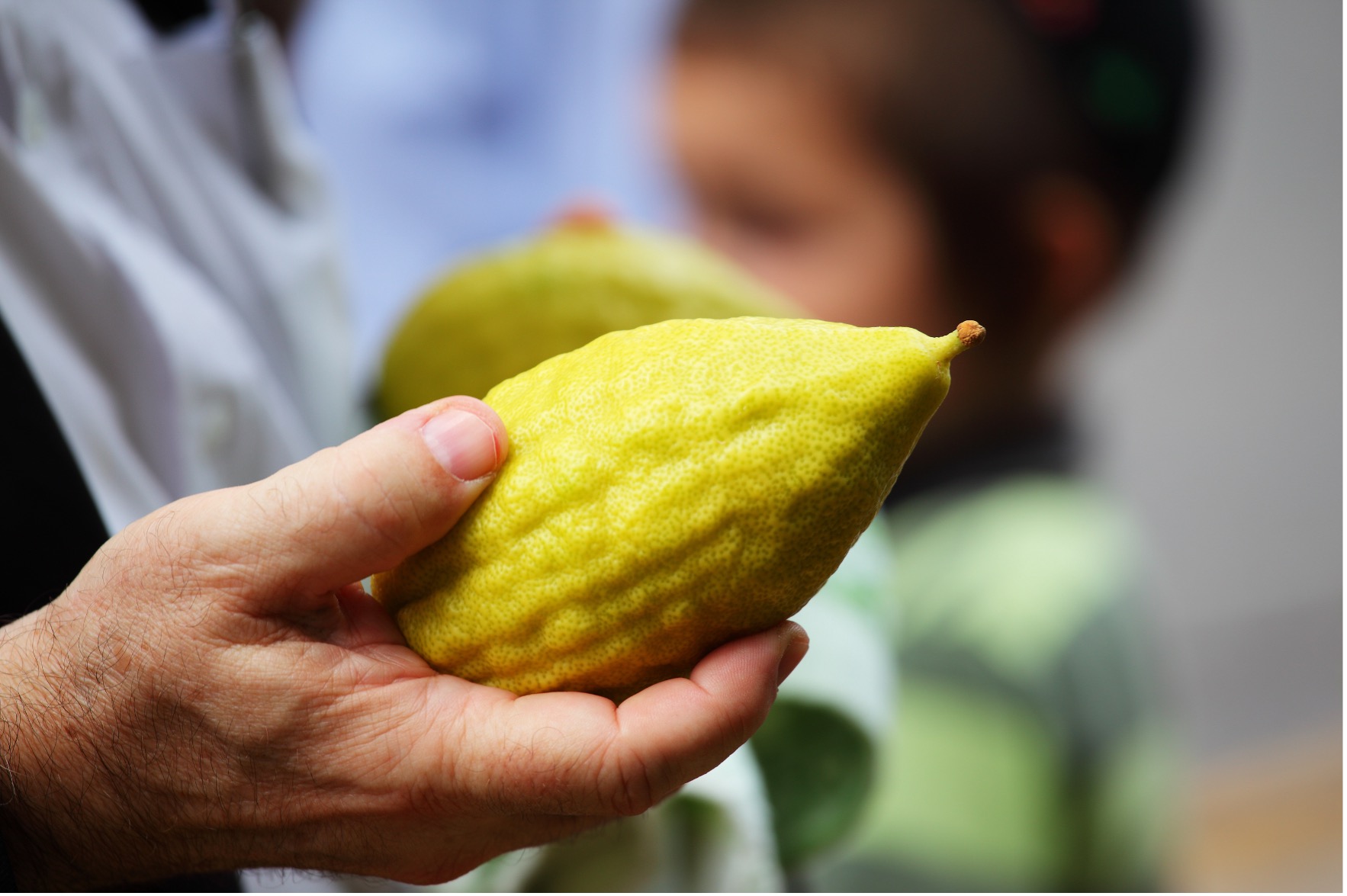
This week, Jews around the world will universally take the exact same four species. Whether of Ashkenazic or Sephardic descent, or from North America, South America, the Eastern Hemisphere or Western Hemisphere, all Jews understand the biblical command to take a pri eitz ha’dar to mean that they are obligated to take an esrog. There are hundreds, if not thousands, of varieties of citrus fruit – oranges, grapefruits, lemons, tangerines, and the list goes on. How do we know that a pri etz hadar, a beautiful citrus fruit, is specifically an esrog?


The Talmud (Sukka 25a) draws the conclusion that a pri eitz ha’dar is an esrog by analyzing the Hebrew word for beautiful, ha’dar. The Gemara concludes it is the esrog tree, because the word “hadar” in truth has two meanings, beautiful and to dwell. They therefore interpret the pasuk to be referring to a fruit that is dar ba’ilan, “dwells continuously all year on the tree.” The esrog, alone fulfills the requirement of constant dwelling. Rabbi Joshua Shmidman explains that while most other fruits are seasonal, the esrog grows, blossoms, and produces fruit throughout all the seasons. It braves the cold, withstands the heat, remains firm and upright in the wind, and stubbornly persists in surviving the storm. The esrog is truly dar, it dwells consistently and constantly. In fact, the Hebrew word dar is very similar to the English word endure.


In other words, by having the same word, hadar, mean both beautiful and endure, the Torah is communicating the Jewish definition of beauty. Beauty is not about the superficial and purely aesthetic. Beauty is not that which is temporary and fleeting. Many other trees and their fruits fit that narrow definition. Rather, true beauty, says the Torah, is the esrog, the ability to endure and withstand the winds around us. Beauty is having an indomitable spirit, to live with determination, to not veer from the path, abandon the mission, or stray from our convictions.


Beauty is not skin deep. It is found in the spirit of endurance, the tenacity and resolve to continue with our convictions intact. The Torah mandate of V’hadarta pnei zakein is usually translated as “honor and stand up for the elderly.” The root of v’hadarta is dar. We respect the elderly for their beauty. Their skin may show the test of time, their joints may have the wear and tear of decades, they may be slow or infirm, but their strength to endure demonstrates an unsurpassed beauty, worthy of respect and admiration.


Shai Agnon, the great Israeli Nobel laureate whose image adorns the 50-shekel note, lived in the Jerusalem neighborhood of Talpiot and was a neighbor of a famous elderly rabbi from Russia.  One year, prior to Sukkos, Agnon met his rabbinic neighbor at the neighborhood store selling esrogim.  There Agnon noticed how meticulous his neighbor was in choosing an esrog. Even though he was a person of limited means, the rabbi insisted on purchasing the finest, and by extension most expensive, esrog available.  After examining many specimens, the rabbi finally chose the one he wished and paid for it.


Walking home with Agnon, the rabbi emphasized to him how important it was to have a beautiful, flawless esrog on Sukkos, and how the beauty of the esrog was part of the fulfillment of the Divine commandment for the holiday.  On Sukkos morning Agnon noticed that the rabbi was without an esrog at the synagogue services.  Perplexed, Agnon asked the rabbi where his beautiful esrog was.  The rabbi answered by relating the following incident:


“I awoke early, as is my wont, and prepared to recite the blessing over the esrog in my sukkah located on my balcony.  As you know, we have a neighbor with a large family, and our balconies adjoin.  As you also know, our neighbor, the father of all these children next door, is a man of short temper.  Many times he shouts at them or even hits them for violating his rules and wishes. I have spoken to him many times about his harshness but to little avail.


“As I stood in the sukkah on my balcony, about to recite the blessing for the esrog, I heard a child’s weeping coming from the next balcony. It was a little girl crying, one of the children of our neighbor. I walked over to find out what was wrong.  She told me that she too had awakened early and had gone out on her balcony to examine her father’s esrog, whose delightful appearance and fragrance fascinated her.  Against her father’s instructions, she removed the esrog from its protective box to examine it.  She unfortunately dropped the esrog on the stone floor, irreparably damaging it and rendering it unacceptable for ritual use.  She knew that her father would be enraged and would punish her severely, perhaps even violently. Hence the frightened tears and wails of apprehension.


“I comforted her, and I then took my esrog and placed it in her father’s box, taking the damaged esrog to my premises.  I told her to tell her father that his neighbor insisted that he accept the gift of the beautiful esrog, and that he would be honoring me and the holiday by so doing.”


Agnon concludes the story by saying: “My rabbinic neighbor’s damaged, bruised, ritually unusable esrog was the most beautiful esrog I have ever seen in my lifetime.”


Rabbi Efrem Goldberg

Join Our Community

Subscribe to our newsletter or connect with us on WhatsApp.