Is it Better to be Loved or Feared? A Reflection on the Washington Rally

According to a new Reuters poll, a majority of Americans now back a ceasefire in the war Israel is fighting again Hamas.  Disturbingly, nearly 70 percent of Americans said the Israeli government should pursue a ceasefire, including three quarters of Democrats and half of Republicans.  Predictably, as time passes and Palestinian propaganda continues to be promoted, support for Israel has begun to wane.


While the calls for a ceasefire ring, rockets continue to rain down on innocent Israelis, and not in areas that are “in dispute,” but in central Israel and “undisputed” cities like Tel Aviv.  This is not the first time and sadly sure not the last that the world will hold Israel to a double standard and deny Israel the most basic right, the right to take the necessary steps to defend its citizens. 


While modern Israel’s founding fathers, David Ben-Gurion and Menachem Begin disagreed on much, they both understood that Israel cannot afford to bend itself to conform to the will of the nations of the world.  Ben-Gurion once said, “What matters is not what the goyim say, but what the Jews do.” Describing the lessons of the Holocaust, Begin said, “When a Jew anywhere in the world is threatened or under attack, do all in your power to come to his aid. Never pause to wonder what the world will think or say. The world will never pity slaughtered Jews. The world may not necessarily like the fighting Jew, but the world will have to take account of him.”


Last week, former Prime Minister Naftali Bennett was in New York when he offered a similar sentiment: “A huge wave of antisemitism is sweeping the United States and the world. It’s incomprehensible: Hamas massacres, murders, rapes, loots, and who is blamed? Jews. A combination of radical Islam flooded with hatred and a progressive left flooded with stupidity. Especially on campuses. My interim conclusion: More than all the words, arguments, pictures and interviews, one thing is needed: defeat Hamas. We will not convince antisemites, but our victory is clear and clear, and the elimination of our enemy will put fear in the hearts of our enemies. We don’t need to be loved. Just let them be afraid of us. Forever. At all costs. There is no choice.”


Ben-Gurion, Begin, and Bennett were not the first to weigh in on whether it is better to be loved or feared. Five hundred years ago, philosopher and historian Niccolo Machiavelli concluded, “Whether it be better to be loved than feared or feared than loved? One should wish to be both, but, because it is difficult to unite them in one person, it is much safer to be feared than loved.”


The question – is it better to be loved or feared – is indeed an age-old question, one contemplated and debated by leaders, philosophers, and mob bosses alike.  As Israel relentlessly decimates Hamas and fearlessly pushes back at Hezbollah, it is instilling fear in the hearts of enemies and planting it in the mind of friends.  Jews around the world are pushing back at antisemites, not with violence or physical weapons but by shining a light and holding accountable those that tear down posters of hostages or tolerate hate on their campuses. Publicizing the faces of antisemites and withdrawing financial support of universities are powerful weapons and will instill fear in those who don’t want to suffer those consequences.  Legislation must be passed and prosecutions must be pursued against those who spread hate and incite violence against the Jewish community.  We can and should continue to make the case for Israel, spread the truth of the beauty the one and only Jewish state and its positive impact on the world.  The likelihood is that we will never be loved; if we want to secure our own future, let us be feared. 


The Torah (Devarim 28:10) tells us,וְרָאוּ֙ כל־עַמֵּ֣י הָאָ֔רֶץ כִּ֛י שֵׁ֥ם ה׳ נִקְרָ֣א עָלֶ֑יךָ וְיָֽרְא֖וּ מִמֶּֽךָּ  , “And all the peoples of the earth shall see that Hashem’s name is proclaimed over you, and they shall stand in fear of you.”  Commenting on these words, the Talmud (Berachos 6a) explains that this pasuk is referring to Tefillin Sheberosh, the Tefillin on the head.  Inspired by this comment, before the Six Day War in June 1967, the Lubavitcher Rebbe announced “Mivtza Tefillin” — the “Tefillin Campaign” — and that every effort should be made to put on Tefillin with as many Jews as possible. Once again today, during Israel’s current war we are seeing an enormous spiritual awakening including “secular” soldiers seeking to wear Tefillin. 


If you look more closely you will notice that the Talmud doesn’t say “Tefillin al harosh,” Tefillin worn “on the head,” but Tefillin sheberosh, in the head.  I wear Tefillin on my head, what are Tefillin “in” the head?  The story is told that the Vilna Gaon was once staying at an inn when a stranger came in and attacked the Jewish owner who was wearing Tefillin and praying.  The Gaon heard and opened the door to his room where he was davening in Tefillin.  When the attacker saw the Vilna Gaon, he was overwhelmed with fear and fled.  When the owner asked what happened, the Gaon explained that our rabbis taught when someone sees the head Tefillin that they will fear you.  The owner responded, “But I was also wearing Tefillin on my head and that didn’t stop him from attacking me?”  The Gaon explained, “You are wearing your Tefillin on your head, I am wearing my Tefillin in my head.  I don’t just place the leather box on top of my head, I place its messages, values and ideas inside my head.”  Said the Gaon, when we believe, live and practice what Hashem wants from us, the nations of the world will fear us. 


Fear or love?  Let our enemies fear how much we love, how much we love Hashem and how much we love each other. 


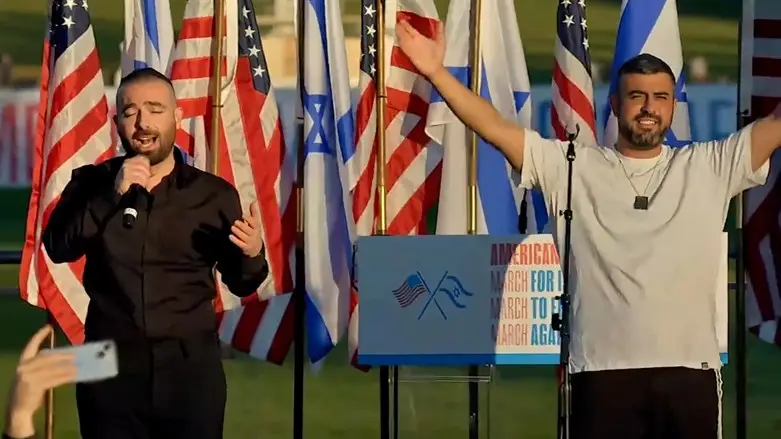
This week, BRS proudly brought a large delegation to Washington, D.C. to stand with at the largest rally for Israel in history.  For the overwhelming majority of attendees, taking a day off of work and traveling to the nation’s capital was inconvenient, time-consuming, and expensive.  And yet, almost 300,000 did it.  We stood together to rally, demand the hostages be brought home, and support elected leaders who support Israel.  But we also did so to sing, daven, dance and stand with an enormous array of our brothers and sisters, incredibly diverse but united by a shared concern about our people and committed to our homeland. Participating with the spectrum of the Jewish people from great Roshei Yeshiva like Rav Schachter, Rav Willig, Rav Lopiansky, and others, and with Rabbonim from Yeshivas Chafetz Chaim and Chabad, to Jews of all backgrounds, beliefs, and practices was a demonstration of unity to Hashem and to ourselves and of steadfast resolve to our enemies local and abroad. 


While most of the attendees were eager to post, stream, and stay connected, Hashem had other plans.  The dense gathering overwhelmed the local towers leaving almost all with no service or connection.  While frustrating and challenging, it quickly became clear it was a beracha from Above.  It felt like Hashem was looking down and saying, “My sweet kinderlach, you have never stood together in these numbers before.  Look around at your brothers and sisters, some like you and many very different.  Savor this moment, be fully present, disconnect from the world and connect with those you are standing right next to.” 


The highlight of the rally for me was when Ishay Ribo took the stage.  While I enjoy his singing and am regularly moved by his songs, it was what he said, not sang, that transformed the gathering into a religious experience for me.  Ribo led more than a quarter of a million Jews in a perek of Tehillim and turned to the mass gathering imploring everyone to be mekabeil ol malchus shamayim with him by reciting Shema together. 


People were excited when Ribo sold out Madison Square Garden earlier this year. This week, he touched the hearts, prayed, sang and led ten times that number in making a Kiddush Hashem.


While many American Jews didn’t attend for various reasons, the nearly 300,000 Jews gathered in D.C. this week were filled with love – Love for each other, love for our brothers and sisters in Israel, love for the hostages, love for the IDF and love for Hashem. 


Hamas, Hezbollah and antisemites should be very afraid.  Fear the power of our love, for it will always defeat them and whatever they plan.  

The Price of Greatness is Responsibility

This article first appeared in Mishpacha Magazine, August 2023.  

For recent articles about Israel, please go to reg.nd-staging.com


Earlier this summer, after receiving a call from his daughter in tears complaining about mean counselors and other issues, a concerned Jewish father in the UK flew 360 miles by helicopter to pick her up and bring her home. But he isn’t the only one guilty of helicopter parenting. More and more, loving parents who mean well and are eager to help, protect, and support their children are swooping in to rescue them, rather than teaching them responsibility.


While this trend is nothing new, it is gaining traction. According to the Wall Street Journal, parents have long shepherded their children through school and camp, but they are now entering the workplace. “Recruiters and hiring managers say they are seeing an uptick in parents inserting themselves into their children’s professional lives, calling up hiring managers, applying for jobs on their behalf and even showing up on the job to help mediate conflicts.”


This trend in general society, like many others, has infiltrated our frum community, with parents running interference in countless areas of life. For example, when I was a child, on parent-teacher night, children were nervous and anxious; concerned parents would come home with criticism and consequences. Today, it is educators, rebbeim, and morahs who are often anxious, having to engage parents who are critical of them and defensive of their children.


While the phenomena of helicopter parenting and now bulldozer parenting come from a good place, they are unintentionally having bad consequences, the biggest of which is raising young people who don’t know how to take achrayus, to live with responsibility and accountability.


Our sacred Torah teaches that indeed, the capacity to take responsibility is the very essence of man. In both the story of Adam and Chavah being expelled from the garden and the story of Kayin rising up to murder his brother Hevel, the Torah is clear that Hashem meted out punishment, not for disobedience and murder, but because when confronted with their mistakes, all the parties failed to take responsibility. Adam and Chavah point fingers and pass the buck. Kayin incredulously challenges, “Am I my brother’s keeper?”


Mistakes are human, they are forgivable. But only when ownership and responsibility are taken. The Torah makes clear that Hashem doesn’t punish the protagonists of these opening stories for having committed mistakes, but rather because they refused to take responsibility for them.


Rav Chaim Shmuelevitz (Sichos Mussarmaamar 15) explains that Yehudah is charged with being the progenitor of the monarchy because he demonstrates achrayus, the critical character trait for leadership. Indeed, he writes that one who doesn’t take ownership over his actions or doesn’t bear responsibility for others is a lav bar daas l’gamrei, not fully intellectually competent.


When Adam and Chavah sinned, Hashem called out, “Ayeka? Where are you?” Rav Shneur Zalman of Liadi, the first Lubavitcher Rebbe, pointed out (Toras Menachem, vol. 21), this call was not directed only to them. It echoes and reverberates in every generation. Where are you? Will you take responsibility? Will you own the consequences of your actions and behaviors? Will you take charge to repair and redeem the world? Will you step up, be resilient, choose to respond to your circumstance rather than blame it?


Ayeka — are we, with the best of intentions, raising a generation of emasculated, entitled, spoiled children who don’t know how to take achrayus for decision making, for their well-being, and for their future? Or are we raising young people who are empowered to be resilient and to take responsibility? Are they being taught and trained to provide, protect, nurture, nourish, and build lives and homes not only of kedushah, taharah, and Torah, but of achrayus and askanus?


In a conversation with Rav Yitzchak Berkovits shlita, he shared with me that in his opinion, the biggest challenge in shidduchim today is people’s lack of ability to take achrayus. He believes there should be an emphasis on teaching this middah in yeshivah. Taking achrayus in yeshivah doesn’t have to mean taking turns cleaning the dining room or serving the meals. It also means taking ownership over learning the areas necessary for being a ben Torah, like hilchos Shabbos and hilchos brachos, that aren’t necessarily part of a yeshivah curriculum.


He said the yeshivah should be a place that doesn’t coddle but instead challenges; it must not be too cozy or comfortable, a place of personal pleasure but of giving and caring for others. Rav Berkowitz said that during his years in the Mir, Rav Chaim Shmuelevitz emphasized over and over how the yeshivah must be a place of achrayus bein adam l’chaveiro.


Our world of bochurim sitting and shteiging is the crown jewel of our generation, a reflection of the freedom and prosperity that we enjoy today and that was denied to so many who came before us. Certainly, we should celebrate and elevate them, but we must be careful that we don’t put them on a pedestal in such a way that we push them off a cliff.


Having the zechus to sit in the ohel shel Torah must yield greater capacity to take responsibility, to take achrayus for ourselves and for others, not less. It must mean during the zeman taking responsibility for chaveirimchavrusas, and the yeshivah. And during bein hazmanim, it should mean being first to help at home, not sitting and expecting to be served by others. It means being invested in and contributing to the family, not approaching them with a sense of entitlement or magia li.


Teaching and demanding achrayus won’t distract or dilute yeshivah learning, it will elevate it. In 1946, the Jewish world was desolate, recovering from destruction. The great mashgiach, Rav Chatzkel Levenstein, had survived with others from the Mir, and he came to America for a short time. He related that he was once sitting with others who had escaped the furnace of Europe, and they observed that the best learning of their lives was during the few years when they were in Shanghai. The learning and davening were simply on a different level, they said. They wondered why; after all, they were on the run, refugees in a foreign land. One would assume that their diligence, davening, and focus would suffer, and yet it was elevated.


Rav Chatzkel explained: “Over there in Shanghai, we learned with a profound sense of achrayus. They had received reports that Hitler, yemach shemo v’zichro, had finished off the Jews. We thought that those in Shanghai were the only survivors of the Torah world. We thought the future of Yiddishkeit literally rested on our shoulders, it was our achrayus. When you feel a sense of achrayus, everything is elevated and more intense.”


The Gemara (Avodah Zarah17b) tells the story of Elazar ben Durdaya, a lost soul who had acted so egregiously, sinned so perversely, that he was told he had no portion in Olam Haba. Shaken, he turned to the heavens and earth, the mountains and valleys, the sun, moon, and stars, and anywhere he could to ask for help in redeeming himself.


Ein Eliyahu explains that each place he turned to was a metaphor for something. He tried to blame nature; he tried to turn to his astrology; he wanted to rely on the mountains, the harim, which can be read as horim, his parents; but in the end, none of them were legitimate excuses and none of them could rescue him. When rejected by them all, he collapsed into the fetal position and declared, “Ein hadavar talui ela bi — the only one who can change and improve things is me.” At that moment, with that expression of taking achrayus, a bas kol declared, “Rabi Elazar ben Durdaya is welcome in the World to Come.”


Taking achrayus is redeeming, liberating, defining, and it is the first step to developing a healthy sense of self. We need to teach our children from a young age to live with the principle of ownership, that ein hadavar talui ela bi.


The mishnah in Avos (1:14) teaches, “Im ein ani li, mi li? Uk’she’ani l’atzmi, mah ani? V’im lo achshav, eimasai? [If I am not for me, who will be for me? And when I am for myself alone, what am I? And if not now, then when?]” Rabbeinu Yonah explains the mishnah to mean, “If I don’t rebuke myself and hold myself accountable to be vigilant with Torah and mitzvos, who is there to motivate me? The prompting of others is only good on a temporary basis, but when the person motivates himself each and every day, he increases his focus on doing the work of Hashem successfully.”


Others can motivate and inspire us, but ultimately our success in avodas Hashem, in marriage, in our professions, and in life is dependent on our ability to take responsibility.


Today, parents take responsibility for researching and choosing shidduchim, shadchanim often plan the dates themselves, dating coaches provide a script of just what to say, rebbeim later provide strict gedarim of how often to speak and see each other, the wedding and chassan and kallah gifts surrounding it are paid for by others, and support is often provided for several years.


There is nothing necessarily wrong with any of these realities on their own, and they are unlikely to radically change; but are we positioning couples for success days and years after the wedding, when they must navigate integrating their lives, making compromises and sacrifices, and communicating productively, all on their own? Can we include them in the process in such a way that they are taking achrayus for their own lives as a prerequisite for beginning dating, and during the dating itself? We need to be roeh es hanolad, strengthening relationships to be resilient during times when couples have nobody running interference, managing, planning and paying for everything.


While radical changes are unlikely, small adjustments can be made that will hopefully have large impacts. For example, let’s stop referring to young adults who are looking to get married as “boys” and “girls.” If they are ready to be married, to b’ezras Hashem have children, don’t we believe they are adults? And shouldn’t we address them as such?


Among the questions we ask when researching a shidduch, let’s add: Are they baalei achrayus? Do they take responsibility? Can you give an example, from their time in yeshivah or seminary, or from their home or community, of how they demonstrate it?


Young couples, including those getting support or help from parents, should have skin in the game: live within a budget, pay their own bills, find opportunities to earn on their own through extra learning, shemiras sedorim, or tutoring, so they experience what it means to earn, understand the value of the money we work and sacrifice for, and make the difficult decisions for how it is spent.


It is not too late to retire our helicopters and bulldozers, to love and nurture our children, not by coddling them in a cocoon but by teaching, supporting, and guiding them as they practice and learn the wonderful middah of achrayus, of taking responsibility.


The greatest influence we can have is to model a life for them in which we prioritize not only our own happiness and pleasure but take responsibility for others. Indeed, as we enter the month of Elul and prepare to stand before Hashem who will determine our destiny, the single biggest merit we can earn is to take responsibility.  Rav Wolbe (Alei Shor 2:305) quotes Rav Yisrael Salanter, “The greatest advice for triumphing in judgment is to be indispensable to others, an ish haklal.”


Sir Winston Churchill once said, “The price of greatness is responsibility.” If we want a bright future for our children and ourselves, we simply cannot afford not to pay it.

Find Your Letter in the Torah

The Zohar states that there are 600,000 letters in the Sefer Torah which correspond to the 600,000 Jews. (In actuality, there are 304,805 letters. Many explanations are offered how to get to 600,000 including counting different vowel pronunciations or counting the white space around each letter) The Megaleh Amukos, Rav Nosson Nota Spira (Va’eschanan #186:1) writes that the soul of every Jew stems from one of the 600,000 letters in the Torah. The name “ישראל” itself can be viewed as an acronym for the words, “יש ששים רבוא אותיות לתורה.”  There is a letter in the Torah for each of our names.


While some letters in the Torah are written larger than others, there is no letter that is more significant than any other letter. If any letter is missing or incomplete, the entire Torah is invalid to use.  The Jewish nation is one Torah scroll. Everybody counts. Every individual—big or small, scholar or unlearned—is a letter. We are all one, interdependent and equally important.


The Me’or Einayim (Emor), Rav Menachem Nochum of Chernobyl writes that Simchas Torah is the day on which each of us reconnects to Torah in a way that can only happen after all the other holidays of Tishrei are finished. He says that since there are 600,000 letters in the Torah and there were 600,000 Jews who received Torah at Mount Sinai, we conclude that each Jewish soul has a spiritual connection to one of the Torah’s letters. Simchas Torah is the day on which each of us reconnects with our special letter. We can only do this after we have been purified by the teshuva of the Yamim Noraim and unified together by sitting in the Sukkah. On this day, each of us merits to receive an aliyah and come up to the Torah to meet the letter that sings to our souls, the letter that is our name.


A name highlights the essence of an individual. Rav Shimshon Refael Hirsch suggests that the word for name “shem,” can also be vowelized “sham,” there.  A name depicts where a person is in life.


Though the Shulchan Aruch records that the proper thing to do during Hagbah, when the Torah is lifted, is to bow, the more prevalent custom is to point. The Arizal wouldn’t just point from a distance, but he would get close to the Torah during Hagbah so that he could see the actual letters. The Mishna Berura (134:11) quotes this and says  עי”ז נמשך אור גדול על האדםthis practice draws down a great light upon a person.


The Ben Ish Chai, R. Yosef Chaim of Baghdad, and the Kaf Ha’Chaim go even further, writing that during Hagbah a person should look for a word in the Torah that begins with the first letter of his own name. Each time the Torah is read, we are to remember that we have a place, a letter, the Torah speaks to our name, to each of us, we have a mission and a purpose, we have a piece and a part of Torah.


Immediately after instructing Avraham to leave the land of his ancestors and journey to Eretz Yisrael, Hashem promises:


וְאֶֽעֶשְׂךָ֙ לְג֣וֹי גָּד֔וֹל וַאֲבָ֣רֶכְךָ֔ וַאֲגַדְּלָ֖ה שְׁמֶ֑ךָ וֶהְיֵ֖ה בְּרָכָֽה׃

I will make you a great nation, And I will bless you; I will make your name great, And you shall be a blessing.


The simple understanding of the second promise is Hashem will make Avraham’s name great among the nations of the world, but the Bnei Yissaschar (Agra De’Kala) says it means Hashem promises to make Avraham believe in the greatness of his name, in his potential and possibility, in his unique mission for this world. 


Rabbi Levi Welton, a rabbi from New York, and his wife were visiting their family in Sacramento, California. On Shabbos, they went to the local Chabad for davening and met another out-of-town family celebrating a Bat Mitzvah. At the Kiddush, Rabbi Welton struck up a conversation with the father of the Bat Mitzvah girl and discovered that the man, named “Chaim,” was from Mexico City and had converted to Judaism many years ago.


“Why did you pick Chaim as your Hebrew name?” The Rabbi asked. The man told Rabbi Welton the following story:


“Towards the start of my spiritual journey, I once spent a Friday night at a synagogue in Westchester, New York. After Lecha Dodi, we started dancing and I noticed that the elderly man I was holding hands with had numbers tattooed on his arm. Suddenly, I remembered something a rabbi once said about Holocaust survivors: ‘A Holocaust survivor who doesn’t believe in God is a normal person. A Holocaust survivor who does is an angel.’


I felt overwhelmed to be dancing with an angel and after davening I asked the man his name. The old man smiled and said, ‘Chaim.’ Chaim survived Buchenwald, was in the Israeli Air Force, and then immigrated to America. At that moment, I decided that when the time came for me to convert, I would call myself Chaim. Years passed and I never saw Chaim again, but I’ll never forget him because we share the same name.”


After listening attentively, Rabbi Welton asked: “By any chance, would the man’s name have been Chaim Grossman?” The father of the Bat Mitzvah girl was shocked. “How do you know that?” he asked. Rabbi Welton explained that he was a shul rabbi in Westchester, and he had a congregant who survived Buchenwald, served in the Israeli Air Force, and then immigrated to America. Chaim Grossman was his congregant.


The man began to cry. Rabbi Welton promised that he would send regards, but the father had another request. So after Shabbos, they took a picture together to convey his love to his namesake, “Chaim.”


The next Shabbos, Rabbi Welton asked Chaim Grossman to sit in the center of the Shul for the derasha. The parsha that week was Shemos which lists the names of B’nei Yisrael. Rabbi Welton related that 3,000 miles away there lived a man named Chaim who carried Chaim Grossman’s name and who was raising his family in an observant, Torah home.


The rabbi then took out the photo, printed and framed, and handed it to Chaim. Chaim stood up and raised his numbered arm to receive the photo of his “Godson”. With tears streaming down his cheeks, Chaim proclaimed “Baruch Hashem, Shehechiyanu, V’kiyamu, V’higiyanu V’higiyanu Lazman Hazeh!” 


Chaim Grossman had never been blessed with children. But now he had a proud Jew halfway around the world who carried his name and who would pass it on to future generations.


Simchas Torah is not just a technical occasion that we finish and roll the Torah to start again. It is a day we unroll ourselves to find our place in the masorah of Torah, to reconnect to our eternal heritage. We do this not as a burden but as a gift. With great joy we embrace our life purpose, our unique mission. So, during Hagbah, get close to the Torah and look for a word that begins with the letter of your name. Find your name and find your place in Torah.

Shake Yourself

A renowned Rabbi once did a favor for the Gerrer Rebbe, the Lev Simcha, which the Rebbe remembered for many years.  Each year, on Erev Rosh Hashana, the Rebbe would call the man to check in on him and to wish him a kesiva v’chasima tova.


One year, the Rabbi asked the Rebbe if he could have the honor of visiting on Chol HaMoed Sukkos.  The Rebbe was more than happy to agree and they set up a time.  Chol HaMoed came and the Rabbi was welcomed into the Rebbe’s sukka where they began a joyous discussion of Divrei Torah about Sukkos. 


The Rebbe, in his classic style, pointed out something amazing about the way we perform the mitzvah of ד׳ מינים.  He said, “Did you notice that the number of times we shake the Arba Minim equals the gematria of the two sheimos, the two names of Hashem?” The Rabbi, who was a very quick thinker, remarked, “Rebbe, I’m sorry but I don’t think the math works out.  We shake five times all together.  Once when we make the ברכה, twice when we say הודו, and twice when we say אנא.  Each time there are 18 total waves or shakes, 3 in each of the 6 directions. That makes the sum total 90, whereas the gematria of the two names of Hashem is 91.” [The four-letter name of Hashem is written with letters that add up to 26 and pronounced with letters that add up to 65.]


The Lev Simcha smiled. “True, but you forgot to include one more shake, perhaps the most important one.”  The Rabbi was confused, which of the נענועים did he leave out?  The Rebbe explained, “A yid must also give himself a shake, we shake the lulav and we shake up our lives.”


We are familiar with many of the laws of לולב and אתרוג but these laws also have a deeper meaning, a פנימיות  to them.  We are meant to not only take and shake the לולב and אתרוג externally but to have it impact us internally as well. The Zohar tells us that the word לולב comes from a combination of the world “לו” (to him) and “לב” (heart), meaning our hearts must be our own, in our personal jurisdiction, and under our control.  Our hearts should not be swayed by peer pressure or the temptation to imitate the hearts of others. 


When the Torah commands the mitzvah of לולב
it says, ולקחתם לכם, take for yourself.  Chazal learn from here that we must own our own לולב the first day that we take it. We must take personal ownership over our Avodas Hashem and over our lives, and not serve Hashem by comparing, competing, or copying those around us.


This insight can provide deeper understandings behind some fundamental Halachos of lulav. A לולב הגזול is disqualified because we cannot steal or copy others, we need to find our own voice, fulfill our own unique mission in this world. A לולב היבש is pasul, a dried out לולב is invalid, because it lacks vitality, חיות.  It is simply going through motions bereft of vitality.  The לולב of an אשרה of עבודה זרה is invalid. Our heart cannot be led astray, can’t be influenced from foreign sources, ideals and ideas. It must be genuine, authentic, and true. 


The לולב must be shaken דרך גידולו , in the way that it grew, pointing upwards.  Our heart was born to strive upwards, we are positioned to grow, to stretch and to actualize our spiritual potential. 


The לולב requires נענועים.  When shake in every direction; when we interact with those all around us, we cannot simply be an imitation, a copy of someone else.  לולב, לו לב, we have to take our unique energy, talents, skills and apply them in every direction, spread them all around us.


The Gemara in Sukka (53a) teaches:

תַּנְיָא: אָמְרוּ עָלָיו עַל הִלֵּל הַזָּקֵן כְּשֶׁהָיָה שָׂמֵחַ בְּשִׂמְחַת בֵּית הַשּׁוֹאֵבָה, אָמַר כֵּן: אִם אֲנִי כָּאן — הַכֹּל כָּאן, וְאִם אֵינִי כָּאן — מִי כָּאן

They said about Hillel that when he was rejoicing at the Simchas Beis Ha’Shoeiva he said this: If I am here, everyone is here; and if I am not here, who is here?


Could Hillel be so arrogant, so self-centered to make such a pompous and bombastic statement about himself? The Talmud is replete with examples of Hillel’s paradigmatic humility. What was Hillel actually saying?


The Kotzker Rebbe famously said: “If I am I because I am I, and you are you because you are you, then I am I and you are you. But if I am I because you are you and you are you because I am I, then I am not I and you are not you.”


Knowing who you are requires an awareness and realistic measure of your capabilities. Without self-understanding, you may rely on others to determine your identity and potential. Am I one person at work, another person at shul, another at home, and someone entirely different when I’m on vacation? If I am only defined by others or by the context in which I find myself then I have no true identity of my own. The Kotzker Rebbe was teaching that identity is built from within.


Perhaps Hillel was echoing the message of the Kotzker: If I am here, the true me, the real me, the genuine and authentic me, if each of us are true to ourselves and our missions, הכל כאן, we are all really here. But if we are just imitating one another, if we are just blending together and copying each other, nobody is actually here. Hillel’s humility didn’t contradict his self-awareness.


Rav Dessler explains that this is the meaning of another famous statement by Hillel, אִם אֵין אֲנִי לִי, מִי לִי If I am not for me, who will be for me?  If I am just a copy, an imitation of others, who will represent and express the real me?  


According to the Zohar we take the לולב and we remember לו לב, be yourself, be true to your heart, don’t lose sight of the unique gifts Hashem has entrusted you with and the mission that only you can fulfill.  So you don’t have the same job, spouse, children, talents, skills or opportunities as others you know.  Your job is not to be them, it is to be you.  To know your heart and be true to it, to shake your lulav and shake yourself up until the real you comes out. 


Oscar Wilde put it well when he said: “Be yourself; everyone else is already taken.”


Perhaps this is why Sukkos specifically is זמן שמחתנו.  The biggest source of happiness is being true to ourselves, feeling genuine and authentic.

Several years ago, a group was travelling through Iceland on a tour bus and stopped near a volcanic canyon in the southern highlands. Soon, there was word of a missing passenger. A search and rescue operation was initiated involving 50 people on foot and in vehicles. As the night wore on in Iceland’s Eldgja Canyon, a description of the missing person was offered – Asian female in dark clothing and speaks English well. It was close to 3:00 a.m. and the Coast Guard readied a helicopter to help find a missing woman. But the search was called off when it became clear the missing woman was actually part of the search party. She had left to change her clothes. When she came back, her party didn’t recognize her and started the search. It turns out that all night the woman was searching… for herself.


This Sukkos, let’s not only shake the physical לולב, let’s shake ourselves us and go searching for our לו לב, who we are and the unique energy we can wave in every direction

Regrets or No Regrets?

“No regrets” is a popular motto, a badge of honor, and for some, a way of life.  It is even a popular tattoo, a slogan people literally engrave on their skin.  Despite its appeal, it turns out living the “no regrets” life isn’t really possible; we are actually hard-wired to experience regrets and that is a good thing.  You see, regret doesn’t just make us human, it can also make us better.  Brene Brown, the popular professor and author, puts it well: “No regrets’ doesn’t mean living with courage, it means living without reflection.”


A few years ago, a group of researchers put up a chalkboard on a New York City street and asked random passersby to write down their biggest regrets. The respondants were from different walks of life, but their regrets all had one alarming thing in common: the word “Not.”  They were primarily about chances not taken, about words not spoken, about dreams never pursued.  By the end of the day the chalkboard was completely filled with tales of regret.


We aren’t in New York City and there is no chalkboard here, but make no mistake, we are here today on Yom Kippur to express our regret, what we wish we could have done differently, mistakes we made, things we want to retract. 


Rabbeinu Yonah writes in Shaarei Teshuva:

עיקרי התשובה: העיקר הראשון – החרטה. יבין לבבו כי רע ומר עזבו את ה’

The first primary component of the repentence process is regret. One must recognize in his heart the sinfulness and bitterness of departing from Hashem.


What is charata and what role does it have in teshuva? Are we meant to beat ourselves up, knock ourselves down, be racked and riddled with shame and guilt, or does charata serve a different purpose?


Last year, Daniel Pink published a book called “The Power of Regret” in which he writes: “The conclusion from both the science and the survey is clear: Regret is not dangerous or abnormal. It is healthy and universal, an integral part of being human. Equally important, regret is valuable. It clarifies. It instructs. Done right, it needn’t drag us down; it can lift us up.” 


Pink found that to make our regrets work for us, we must respond systematically by neither avoiding them nor perseverating over them. He says there are three critical steps that corelate with what the Torah has already taught:


1. Reframe your regret.  Does what you regret deserve kindness or contempt? Does the regret represent a moment in your life, or does it define your life?  We ask Hashem yitamu chataim, eliminate mistakes, but not chotim, those who make them.  Even as we spend today confronting what we have done wrong, it is critical that we recognize they need not define us.


2. Disclose your experience and regret –  Pink argues that using language, whether written or spoken, forces us to organize and integrate our thoughts. Instead of those unpleasant emotions fluttering around uncontrollably, language helps us analyze them, limit them, learn and ultimately grow from them.  The Rambam sees vidui, verbal confession, acknowledging mistakes and shortcomings, as an indispensable, perhaps the most critical, element of teshuva. 


The Alter Rebbe connects the word charatah with charitah, engraving.  We have to admit what we regret so that we can engrave what we learned and ensure we don’t repeat it.  We cannot correct and repair ourselves without articulating our regrets.  Only when we disclose it, confront it, and analyze it can we learn from it and move on from it.  


3. Extract a lesson. – Lastly, Pink says don’t marinate, perseverate or get stuck.  The subtitle of the book is, “How looking backward moves us forward.” The Rambam says the step in teshuva after charata is kabbalah al ha’asid, extracting a lesson for the future, giving the regret meaning by turning it into positive action. Like the Alter Rebbe, the Alexander Rebbe links charata, regret, to charita, engraving, as in the pasuk in Yeshaya (8:1) b’cheret enosh, man engraved. Charata is an invasive process where we scrape away our most detestable and despicable traits until they are gone.


For the Alexander Rebbe, charata, regret, is not about the past, it is about knowing what to purge and cleanse and repair in the present. We can’t undo what we regret but we can learn and grow from it by changing our behavior now.  


In his formula for return and repair, the Rambam delineates the importance of regret, only he uses a different term. 

וּמַה הִיא הַתְּשׁוּבָה. הוּא שֶׁיַּעֲזֹב הַחוֹטֵא חֶטְאוֹ וִיסִירוֹ מִמַּחֲשַׁבְתּוֹ וְיִגְמֹר בְּלִבּוֹ שֶׁלֹּא יַעֲשֵׂהוּ עוֹד …וְכֵן יִתְנַחֵם עַל שֶׁעָבַר …וְיָעִיד עָלָיו יוֹדֵעַ תַּעֲלוּמוֹת שֶׁלֹּא יָשׁוּב לְזֶה הַחֵטְא לְעוֹלָם …וְצָרִיךְ לְהִתְוַדּוֹת בִּשְׂפָתָיו וְלוֹמַר עִנְיָנוֹת אֵלּוּ שֶׁגָּמַר בְּלִבּוֹ:


The word “ִתְנַחֵם” is often translated as “regret”, but it shares the same shoresh as the word for “console”.  When Hashem is saddened by the behavior of humanity after creating the world the Torah says וַיִּנָּחֶם ה’ כִּי עָשָׂה אֶת הָאָדָם בָּאָרֶץ. When Hashem is worried we will regret leaving Egypt, he took us a circuoutous route, כִּ֣י ׀ אָמַ֣ר אֱלֹהִ֗ים פֶּֽן־יִנָּחֵ֥ם הָעָ֛ם בִּרְאֹתָ֥ם מִלְחָמָ֖ה וְשָׁ֥בוּ מִצְרָֽיְמָה׃


Hashem is perfect, infinite, and omnipresent. How is it possible for Him to have “regret?”  It must be נָחָם doesn’t mean regret in the way we clasically think of it, but it means to pivot, to redirect. When performing nichum aveilim we aren’t assisting the mourners in regret, we are encouraging them to pivot and redirect their lives, now without their loved one.  In the context of Teshuva, מִתְנַחֵם  isn’t merely recalling the past and feeling bad and sad about it, but rather it is a process wherby we pivot from those decisions, actions, or feelings and redirect our priorities, focus, and choices.


In the process of teshuva, regret isn’t merely an emotion, it is a dynamic process whereby we replace the remorse-worthy act with an active commitment to “remove the mark” of that mistake currently embedded within us.


It was 2005. At 53-years of age, Eugene O’Kelly was full of life. As the chairman and CEO of KPMG, one of the largest U.S. accounting firms, O’Kelly was the consummate global jet-setter. His successful career brought him into the presence of Warren Buffet and other business giants. Gene spent days, nights, and weekends planning the firm’s continued success. He described himself as feeling, “vigorous, indefatigable, and … near immortal.”


In the spring of 2005, Eugene’s wife, Corinne, noticed that the right side of her husband’s face was sagging. He went to see a neurologist and within a week, Gene was diagnosed with inoperable, late-stage brain cancer. He was given three months to live. With this sudden and shocking diagnosis, Gene had to quickly determine how he would spend his remaining 100 days on earth. He made an immediate decision to make every minute of his life count. 


Gene wrote that he wanted “every calculated step to be filled with truth of purpose.” Gene struggled to live in the moment as he began a process he called “unwinding.” Bidding farewell to friends and loved ones not only spurred Gene to recall happy memories but kept his “focus on life, not death.” They guaranteed that he was “almost always thinking about what mattered.”


For those considering taking the time someday to plan their final weeks and months, Gene had three words of advice: “Move it up!” 


The gemara in Shabbos (153a) says:

  רַבִּי אֱלִיעֶזֶר אוֹמֵר: שׁוּב יוֹם אֶחָד לִפְנֵי מִיתָתֶךָ. שָׁאֲלוּ תַּלְמִידָיו אֶת רַבִּי אֱלִיעֶזֶר: וְכִי אָדָם יוֹדֵעַ אֵיזֶהוּ יוֹם יָמוּת? אָמַר לָהֶן: וְכׇל שֶׁכֵּן, יָשׁוּב הַיּוֹם, שֶׁמָּא יָמוּת לְמָחָר, וְנִמְצָא כׇּל יָמָיו בִּתְשׁוּבָה

Rebbe Eliezer says “Repent one day before you die.” His students asked him: “But does a person know which day he will die?” He responded: “Therefore he must certainly repent today, for maybe he will die tomorrow – in this manner all his days are spent in repentence.”


Don’t wait to unwind your life – move it up! Tell friends who have enriched your life, thank you. Ask those whom you have hurt or disappointed for forgiveness.  Identify your regret, reframe it, extract a lesson, and make a correction by redirecting yourself. 


Gene did one more thing in those last three months — he wrote a book called “Chasing Daylight.” It’s a moving and humbling narrative describing Gene’s search for a better way to die. He opens the book by saying, “I was blessed. I was told I had three months to live.” He writes that he worked hard so he could spend retirement with his wife — a goal that suddenly vanished with his diagnosis.


Chazal tell us that on this sacred day, Sifrei Chaim and Sifrei Meisim, the book of life and the book of death, are open.  We typically think of Hashem sitting before these great ledgers and determining where to put our name.  However, the Koshoglover, Rav Aryeh Zvi Frimer, writes in his Eretz Tzvi that Hashem isn’t the only author in these books.  On this special day, we decide what we want to write into the book of death, things that we want to let go of, destroy, put behind us. And we decide what to write in the sefer ha’chaim, what we want to give life to, learn from, grow from and build a future from.  


Regrets guide us in this editorial process as we choose the relationships, habits, and experiences that need unwinding and those that we need to lean into in order to lead a meaningful life.  Regret is not a time machine, we can’t undo the person, parent or spouse we were, but we can still determine the person we will have yet to be.


Gene spent many precious hours writing his book fully cognizant of his fundamental limitation — he would be unable to write the final chapter. In finishing the book that her husband began, Gene’s wife, Corrine, reflected on how Gene was so concerned about how to say goodbye to their teenage daughter: “He worked so hard to find the perfect trip or gesture or gift for her to have the rest of her life… but how is that ever possible? How do you unwind a relationship with your child who is only 14?”


In his final days, Gene had one profound regret:  “Had I known then what I knew now, almost certainly I would have been more creative in figuring out a way to live a more balanced life, to spend more time with my family.”


At the end of the experiement in Manhattan, the researchers wiped the chalkboard clean and wrote “Clean slate” across it. Today, we aren’t writing regrets on a chalkboard but as we feel charata, we can practice charita – engraving our regrets on our hearts as we klop al cheit shechatanu lefanecha. If we properly edit our books of death and of life and pivot accordingly, at the end of today, we, too, get a clean slate, a fresh start, as Hashem promises us: Salachti Kidvorecho.

Mission Possible

The story is told that Rav Levi Yitzhak of Berditchev once summoned all of the Jews to assemble in the town square the next day because he had an announcement of the greatest importance to make. He ordered that the merchants close their shops, all nursing mothers were to bring their infants, and that everyone, with no exceptions, was to be there to hear the announcement. The people wondered what the announcement could be. Was a pogrom imminent or a new tax? Was the Rebbe going to leave? Or was he perhaps seriously ill? Did he know the time when the Moshiach would come and was he going to reveal it? The entire community was assembled the next day with no exceptions, and everyone waited with baited breath to hear what the Rabbi would announce.


Precisely at twelve the Rebbe rose and said: “I, Levi Yitzhak, son of Sarah, have gathered you here today in order to tell you that there is a Ribono Shel Olam, there is a God in the world!”   That was it?  Yes, that was the important announcement.  Something so basic and yet so easily and regularly forgotten. 


The holiday we call Rosh Hashana is never called that in Chumash.  In Parshas Emor, the Torah refers to Rosh Hashana as zichron teruah and we therefore refer to it (for example, in our davening kiddush, and bentching) as Yom HaZikaron. The Day of Remembrance.   What does memory have to do with the New Year?  The simple understanding is that on this Day of Judgement, Hashem invokes the memory of all we have done, for good and for bad.  We describe Hashem as zocheir kol ha’nishkachos, He remembers all that is forgotten; indeed, one of the central components of our Mussaf, Zichronos, is dedicated to this idea.


But perhaps there is a deeper meaning to the aspect of zechirah and zikaron on Rosh Hashana and in the Teshuva process.    


Zichron teruah, yom ha’zikaron. What Teruah is the Torah commanding us to remember?


וַיְהִי בַיוֹם הַשְלִישִי בִהְיֹּת הַבֹּקֶר, וַיְהִי קֹּלֹת וּבְרָקִים וְעָנָן כָבֵד עַל-הָהָר, וְקֹּל שֹּפָר, חָזָק מְאֹד; וַיֶחֱרַד כָל-הָעָם, אֲשֶר בַמַחֲנֶה… וַיְהִי קוֹל הַשֹּׁפָר, הוֹלֵךְ וְחָזֵק מְאֹד

It came to pass on the third day when it was morning, that there were thunder claps and lightning flashes, and a thick cloud was upon the mountain, and a very powerful blast of a shofarThe sound of the shofar grew increasingly stronger; Moshe would speak and God would answer him with a voice.


Rosh Hashana is a day of remembering but it isn’t Hashem who is remembering us, it is a day for us to remember Him. For us to remember the day that we heard the unadulterated voice of Hashem at Har Sinai. Hashem spoke to us then through the sound of a shofar and He speaks to us again through the sound of the same shofar, an echo reverberating from that great day of revelation, a day when we received our mission from headquarters. A mission to be a Mamleches Kohanim v’Goy Kadosh. And this mission is more important now than ever.


On Rosh Hashana, we blow the shofar to coronate Hashem as our King and proclaim that we are His loyal subjects. But we need to connect with the shofar on a personal level as well.  The Rambam (Hilchos Teshuva Perek 3) famously states:  


אַף עַל פִּי שֶׁתְּקִיעַת שׁוֹפָר בְּרֹאשׁ הַשָּׁנָה גְּזֵרַת הַכָּתוּב רֶמֶז יֵשׁ בּוֹ כְּלוֹמַר עוּרוּ יְשֵׁנִים מִשְּׁנַתְכֶם וְנִרְדָּמִים הָקִיצוּ מִתַּרְדֵּמַתְכֶם וְחַפְּשׂוּ בְּמַעֲשֵׂיכֶם וְחִזְרוּ בִּתְשׁוּבָה וְזִכְרוּ בּוֹרַאֲכֶם

Even though the sounding of the shofar on Rosh Hashana is a decree, it contains an allusion. It is as if [the shofar’s call] is saying: Wake up you sleepy ones from your sleep and you who slumber, arise. Inspect your deeds, repent, remember your Creator.


Many know the beginning of the Rambam that the Shofar wakes us up, but to what?  The Rambam continues, it wakes us up to remember something, something that we can easily forget, someone we can easily be lulled to sleep about. In our day-to-day slumber of life, we can forget perhaps the most important thing of all, that we have a Creator.


The Rambam uses this language in describing teshuva gemura, complete teshuva too (Hilchos Teshuva 2:1):

אֵי זוֹ הִיא תְּשׁוּבָה גְּמוּרָה. זֶה שֶׁבָּא לְיָדוֹ דָּבָר שֶׁעָבַר בּוֹ וְאֶפְשָׁר בְּיָדוֹ לַעֲשׂוֹתוֹ… וּפָרַשׁ וְלֹא עָבַר זֶהוּ בַּעַל תְּשׁוּבָה גְּמוּרָה. הוּא שֶׁשְּׁלֹמֹה אָמַר (קהלת יב א) “וּזְכֹר אֶת בּוֹרְאֶיךָ בִּימֵי בְּחוּרֹתֶיךָ”.

Who has reached complete Teshuvah? A person who confronts the same situation in which he sinned when he has the potential to commit…nevertheless, he abstained and did not transgress. This is a complete Baal-Teshuvah. This was implied by King Solomon in his statement “Remember your Creator in the days of your youth, before the bad days come and the years draw near when you will say: ‘I have no desire for them.’”


The Rambam quotes a pasuk to prove tshuva gemura and what is it?  “Remember Hakadosh Baruch Hu, remember there is a Ribono Shel Olam.” Rosh Hashana ultimately is really as simple as that, it is a day of going back to the basics and making the main thing the main thing: that there is a Creator, He brought us into this world for a reason and to make a difference. When we remember Him, we live a mission-driven life, we ask how we can serve Him. When we forget Him, we get confused, we show poor judgment, and we make mistakes. 


To be clear, we daven for ourselves today, for our families’ health, wellbeing, livelihood and more.  There is nothing wrong with that, and in fact, that is our responsibility.  But why are those things important?  What is our argument to have them?  Because we remember there is a Ribono Shel Olam, because we want to fulfill His vision and mission for us, because we think we can be most efficient and productive, we can accomplish the most for Him and His vision if we have them. 


Sometimes it feels like momentum is carrying us. We continue to keep Shabbos, we daven daily, we pay the tuition and buy the expensive Kosher food.  We are running on a religious hamster wheel, but why, why are we doing those things?  Do we remember there is a Ribono Shel Olam?  Are we in a relationship and ongoing conversation with Him?  Do we talk to Him and do we interpret events in our lives as His talking to us?  Do we talk to our children and grandchildren about Him, sharing when we see Him in our lives, modeling for them when we lean on Him and turn to Him?


Mark Twain once said, “The two most important days in your life are the day you are born and the day you find out why.”  Rosh Hashana is the birthday of man, and we pause annually at this critical juncture to ask and to try to provide the answer to why.


Rosh Hashana is Yom Hazikaron, it is the day we give a big klop, not on the bimah but on our hearts, and like R’ Levi Yitzchak, we announce, there is a Ribono Shel Olam, there is a Creator, we are here to serve at the pleasure of the King. 


In February 2008, Esquire Magazine published an article entitled: “10 Who Tasted Greatness (and Choked on It).” The column mockingly counted down “the people who nearly reached the Heavens only to have hubris or plain bad luck trigger an unexpected return to the muck.”


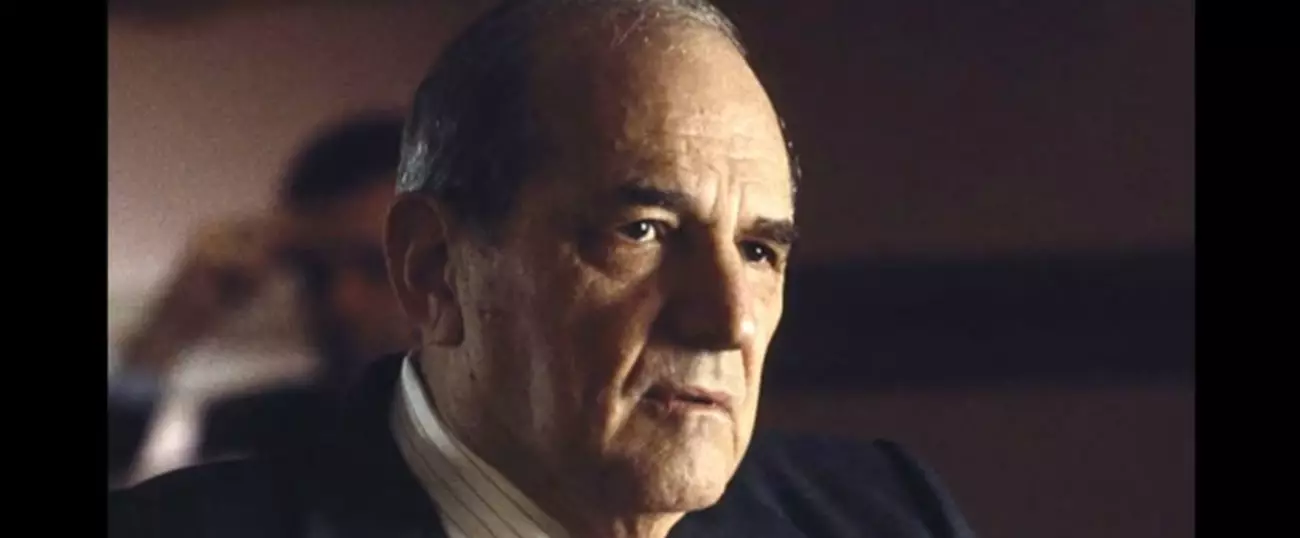
Number 10 on the list was Thomas E. Dewey – The “Almost President” who is most remembered for the Chicago Daily Tribune headline that published “Dewey Defeats Truman” before the full election returns were in.  Others on the list included athletes who came close to historic achievements and music groups that just missed their moment. Who might you ask is number 1 on the list? None other than Steven Hill, who was described by a legendary theater instructor as “one of the finest actors America has ever produced.” Hill, born Shlomo Krakovsky, was one of only 50 actors to be accepted to the newly created Actors Studio in 1947, landed his first Broadway role in 1948 and for the next two decades Hill was busy in theater, motion pictures and the so-called “Golden Age” of live TV drama. As a contemporary of his, another well-known actor put it, “When I first became an actor, there were two young actors in New York: Marlon Brando and Steven Hill. A lot of people said that Steven would have been ‘the one,’ not Marlon.”


Yet, despite being well on the way to success on Broadway and in Hollywood, Steven was still looking for something more in life. Appearing as Sigmund Freud in the play A Far Country in 1961 had a profound effect on Hill. In one scene, a patient screams at Freud, “You are a Jew?!” Freud would answer, “Yes.”  Over time, Hill found that exchange echoing in his ears for hours after every performance. “Yes,” he would say to himself, “Yes, I am a Jew.” He described, “I slowly became aware that there was something more profound going on in the world than just plays and movies and TV shows. I was provoked to explore my religion.”


In another interview, Hill said: “I used to ask myself, ‘Was I born just to memorize lines?’ I knew there had to be more to life than that. I was searching—trying to find the answers—to find myself—and I did.” Hill said that he had gone home to Seattle ten years earlier and was “feeling depressed because I seemed to be leading an aimless existence. Oh sure, I was a star with all the glamour and everything. But something was missing. My life seemed empty—meaningless.”


In 1966, he landed the starring role on Mission: Impossible. While the show would become an international hit and run for seven seasons, Hill was fired after the first season because he refused to work on Shabbos.


Hill began to study Torah with the Skverrer Rebbe, Rav Yaakov Yosef Twersky, and became shomer mitzvos. While Rav Twersky encouraged Steven not to give up on his acting career, Hill’s Shabbos observance made him unavailable for Friday night or Saturday matinee performances, effectively ending his stage career. He lost many film roles to actors like Marlon Brando and Paul Newman. Hill ltimately left acting for about a decade to focus on learning Torah and building a Jewish home with his second wife Ruchi, daughter of Rabbi Yehoshua Leib Shenker of Baltimore, and great-granddaughter of Rav Yosef Chaim Sonnenfeld.


Hill re-entered acting in 1977 and for the next 13 years he continued to struggle, landing some voice-over work and bit roles in movies. Then, in 1990, his agent called him and said: “I have the perfect role for you.” It was starring role in a new show called Law and Order. The role would accommodate his Shabbos observance and his requirement that his wardrobe had to be checked for Shatnez. If he was walking more than 4 cubits outdoors he could wear a hat. And he generally appeared on the show for 5-10 minutes each episode which gave him plenty of time to learn in his trailer during breaks. He finished Shas three times.


Unlike Steven Hill many, but not all of us were born into observant homes, we were privileged to receive Torah educations.  We have been keeping mitzvos our whole lives and yet, like him, we must become aware that there is something more profound going on in the world than just plays and movies and TV shows. We too should be provoked to explore our religion, to stop and remember Hashem, to be grateful He has placed us in His world and to be dedicated to fulfill our purpose. 


The Sfas Emes writes: כי הנה עיקר התשובה הוא לתקן השליחות שנשתלח האדם לעוה״ז, the core of teshuva is returning to fulfilling our mission in this world.  On Rosh Hashana, listen to the sound of that shofar and ask yourself, what is your mission?  Steven Hill, or Reb Shlomo as he was known in Skver, fulfilled his mission… It was hard, it required great courage and sacrifice. But it was not impossible, and neither is ours once we make the effort to discover it.


Zichron teruah, yom ha’zikaron – as we celebrate the birthday of humanity, let us pause to find out why.  Let us be zocheir boreinu, remember our Creator, remember that there is a Ribono Shel Olam and use these ten days to ask, how can we be better, better husbands and wives, better mothers and fathers, better children, how can we be better ovdei Hashem. 


Artificial Intelligence (AI) and God

Artificial Intelligence is taking the world by storm leaving some awestruck and others terrified.  While many have begun to utilize the rapidly developing technology in a myriad of ways, among the many concerns some have, believe it or not, is a fear that some will start to literally worship AI as experts anticipate the birth of the “ChatGPT god,” a new religion. 


Consider this: AI demonstrates a level of intelligence that goes well beyond the capability of any human.  Its knowledge and processing speed appear limitless.  It scours everything in cyberspace instantaneously to access all information and yields analysis and creativity, answers questions, composes music, writes poetry, generates art, and more.  It doesn’t need sleep, has no appetite, is not distracted by temptations, and doesn’t suffer from pain.


Notable historian, author, and scholar Yuval Noah Harari has claimed that AI chatbots like ChatGPT are now capable of writing their own scriptures and starting sects and cults, which can evolve into religion. He, like many of the early investors in AI who were first to believe in its power and potential, are now calling for stricter regulations on AI.


Obviously, we know that chas v’shalom, AI is not a god, it isn’t a deity, and though increasingly difficult and unlikely, if we would universally disconnect from technology and withdraw from integrating AI into our appliances and applications, let alone our lives, it couldn’t impact or influence us or our destiny.


But what if, instead of being threatened by an AI god or religion, we can use it for inspiration in the relationship with the One and only true God, Hashem?


The Chafetz Chaim, R’ Yisrael Meir HaKohen, (Shem Olam, Volume I) writes that while technology adds efficiency, ease, and comfort to our lives, its ultimate purpose is to serve as a metaphor that can strengthen our Emunah, our faith in Hashem and in His hashgacha, His providence in the world and in our lives.


Writing a century ago, and relating to the new inventions of his time, the Chafetz Chaim says they can help us understand and apply the Mishna (Avos 2:1), “Contemplate three things and you will not come to make mistakes: Know what is above you: a seeing eye, a listening ear, and all your deeds being inscribed in a book.” 


Earlier generations were stronger in their basic Emunah and didn’t need these illustrations to bolster their faith but in the last few hundred years, he writes, when our faith has weakened and our doubt has increased, Hashem sends us these amazing technologies, each designed to help us connect with another aspect of living with Emunah. 

For example, the telescope enables us to understand that Hashem sees and observes everything we do here on Earth, even though He may be very far away.  The phone enriches our belief in prayer.  Just like we can talk in the phone on one side of the world and be heard on the other, Hashem hears all our prayers, even though there is a great distance for them to travel.  Says the Chafetz Chaim, the photograph is a recorded picture of someone who may not even be aware they are being watched or that their picture is being taken.  It lasts long after the person is gone.  One day, we will appear before our Creator Who will review the recorded life we led that exists even after we are gone.  The phonograph, which is the recording of a person’s voice that can be captured and played back later, is a metaphor for how one day we will be accountable for all the ways we used our speech inappropriately to gossip, criticize or slander. 

If the Chafetz Chaim were alive, we could imagine him adding AI to the list of learning opportunities to strengthen our relationship with Hashem.  Some struggle to believe in and have a relationship with a Power who is invisible, distant, unperceivable by our physical senses, and yet who supposedly knows about and is involved in the lives of all humanity, billions of people at once.  How could He sustain the whole world, receive prayers and needs of countless, and yet know me, care about me, hear me and love me?


Enter AI, this phenomenal example of something man-made that can read and respond to billions of inquiries at once.  AI programs like ChatGPT or Waze don’t just give generic answers or one-size-fits-all directions.  Their responses are individualized, personalized, intended for the person they are addressing, helping navigate them to their distinct destination or answer their specific question or need.


If an app can track and direct millions or billions of people, all the more so can the Almighty know everything about every one of us including where we came from, where we are heading, what is the best way to get there and if we have gone off course.  If a website can give us answers to our questions instantly, l’havdil, Hashem is listening and responding to all of our requests and inquiries.


The Ramban in his introduction to Iyov writes, “We must believe that God knows all individual creatures and the details of their lives.” Similarly, when speaking about the consequences for the Metzora, the Sefer HaChinuch (Mitzvah #168) writes, “At the root of the precept lies the purpose to establish firmly in our spirits that the watchful care of the Eternal Lord is individual, over each and every one among human beings, and His eyes are open to observe all their ways.”


Chassidus teaches that in the month of Elul, “HaMelech BaSadeh, the King is in the field.” He is out of the palace, more accessible, available and approachable than any other time of the year.  He is waiting for us to approach Him, talk to Him, surrender to Him, feel needed by Him, and receive His navigation and instructions for our lives.


Though each of us is only one of more than 8 billion people on earth, our choices matter and we matter. Never doubt that the Master of the Universe knows where you are, where you have come from, know that He is listening to you and responding and He is ready to help you navigate to where you are meant to go.

Do You Care More About Your Children Being Happy and Successful or Being Kind?

If your child or grandchild ask you – do you care more about my being happy and successful or my being kind – what would you answer? 


Our Parsha tells the story of the rebellious son.  Our Rabbis teach us that the criteria to qualify for this label have never been and will never be met and that such a child exists only theoretically.  Yet a series of pesukim are dedicated to this subject because there is so much to learn and glean about parenting and education nonetheless. 


Rashi tells us the term soreir comes from sar, he has drifted from the path, he is not meeting our expectations and hopes.  The Torah tells us he does not and cannot hear kol aviv u’kol imo, the voice of his father and the voice of his mother.  The Torah never wastes a word and yet it could have said b’kol aviv v’imo, he doesn’t listen to the voice of his father and mother.  It must be that the second use of kol, voice, is not redundant or extraneous at all.  Rather, there is in fact a separate kol aviv, a message and values of the father, and a kol imo, a message and values of the mother. 


When children receive mixed messages, inconsistent and contradictory values, everything becomes incoherent.  They then stop paying attention and begin to be soreir, drift, until it ultimately leads to moreh, rebellion.  It is not only parents that influence and raise a child but it is the grandparents, the school, the shul, and all the adults in the community to whom they turn for modeling and for inspiration.  We must be on the same page and project a consistent message of what our values are, what we are all about, and what we expect from them. 


The Ohr HaChaim Ha’Kadosh, Rav Chaim ben Attar, notes that the pasuk does not say eino sho’meiah but einenu sho’mei.  There is a big difference between the two.  Eino means he doesn’t, einenu means he can’t, there is a blockage preventing the message from penetrating.  Our children and grandchildren literally cannot hear what we say when our contradictory actions are much louder. 


Ralph Waldo Emerson once said, “What you do speaks so loudly that I cannot hear what you say.”  When we say one thing and communicate a different message through our actions, priorities, and values, we drown out our own voices.  There is no instrument more finely calibrated to detect hypocrisy and duplicity than a child.


If your child or grandchild ask you – do you care more about my being happy and successful or my being kind – what would you answer?  I would hope they would hear us answer being kind.  And yet, though our voices may be saying that, we are clearly articulating another message.  According to a study done by researchers at the Harvard Graduate School of Education, when asked if their parents care more about achievement and happiness or if they were kind to others, 80 percent of children said their parents care more about achievement or happiness.  In the same study, children were far more likely to rank “hard work” above fairness. 


The study concludes: “But when youth do not prioritize caring and fairness over these aspects of personal success — and when they view their peers as even less likely to prioritize these ethical values — they are at greater risk of many forms of harmful behavior, including being cruel, disrespectful, and dishonest. These forms of harm are far too commonplace. Half of high school students admit to cheating on a test and nearly 75% admit to copying someone else’s homework.  Nearly 30% of middle and high school students reported being bullied during the 2010-2011 school year. 


“At the root of this problem may be a rhetoric/reality gap, a gap between what parents and other adults say are their top priorities and the real messages they convey in their behavior day to day… And here’s the irony: the focus on happiness, and the focus on achievement in affluent communities, doesn’t appear to increase either children’s achievement or their happiness.”


Dr. Richard Weissbourd, one of the authors of the studies, states, “We should work to cultivate children’s concern for others because it’s fundamentally the right thing to do, and also because when children can empathize with and take responsibility for others, they’re likely to be happier and more successful, they’ll have better relationships their entire lives, and strong relationships are a key ingredient of happiness.”


Rav Shamshon Raphael Hirsch notes that the Torah describes the ben sorer u’moreh not only as a rebellious child, but as one who is zoleil v’sovei, gluttonous and indulgent in meat and wine. Rav Hirsch explains that the inappropriate emphasis in the home on food and drink, success and indulgence, leads to rebelliousness.


Parents, he says, must be much more concerned with their child’s values, behavior, sensitivity, and kindness than with the quantity and quality of the food their child is eating.  We focus on our children being well-fed, well-dressed, and happy, all of which are important. But we must focus even more on who they are and how they behave than on their happiness.  They need to know that we care more about their concern for the happiness of others than for their own happiness.


Weissbourd provides four recommendations to raise and cultivate kinder children:

1.     Children and youth need ongoing opportunities to practice caring and helpfulness, sometimes with guidance from adults. Learning to be caring is like learning to play an instrument – it needs daily repetition.  Encourage your children to help a friend with homework, pitch in around the house without a connection to a reward (like allowance), and to volunteer in some capacity.  When you speak to your child or grandchild at the end of the day, don’t just ask how they are doing on their grades and tests but ask them if they did anything kind that day for someone else.


2.       Children and youth need to learn to zoom in and zoom out.  They need to listen closely and attend to those in their immediate circle like family and friends, but they also have to learn to zoom out and look for those who are too often invisible like a new kid in the class, or the school custodian who is largely ignored and feeling isolated.


3.    Children and youth need strong role models.  Veshinantem levanecha v’dibarta bam, b’shivtecha b’veisecha u’velechtecha baderech… The Torah obligates us to teach our children and we usually assume it is fulfilled with v’dibarta bam, by articulating and verbally communicating our values.  However, the truth is they learn much more from b’shivtecha b’veisecha, how we carry ourselves at home, the type of conversations we have, and activities we engage in.  They learn from b’lechtecha ba’derech, what we do on the road.  We should seek opportunities to share moments in our day when we were kind to another or when we were the recipients of the kindness of another and how it made us feel.  If our deeds match our words our ideals will come across loud and clear.


4.      Children need to be guided in managing destructive feelings. Anger, shame, envy and other negative feelings arise and we need to teach children that those feelings are ok but must be dealt with constructively if they are to be resolved and not overwhelm their ability to care for others.


As our parsha emphasizes, Hashem cares about our behaving with righteousness, justice, and kindness as He does about our observing His laws.  The best gift we can give our children is not making them believe the world is about them, but helping them learn the world is about helping others. 


A Jewish education provides tremendous information, knowledge, and lessons.  But ultimately our children are molded most by what they think that we, their parents and grandparents, value most.  When our children are asked if their parents care more about achievement and happiness or being kind, let us do all we can to ensure that they know the right answer.


Just One Shabbos

One of the English-language Jewish songs with the most staying power is Mordechai Ben David’s “Just One Shabbos.”  Dovid Nachman Golding tells the story of when and why it was first written and produced:


On one of our trips to Eretz Yisrael in the early ’80s, MBD and I would be amazed by Rabbi Meir Schuster ztz”l. Every Friday night, he would place at least dozens, and up to hundreds, of young Jews who had never experienced a true Shabbos meal with a family in a warm, frum environment. During that trip, we were working on a Shabbos album, and it didn’t take MBD long to write the lyrics and the tune to this amazing hit song (“Western Wall on Friday night / His first time ever there / Strapped into his knapsack / With his long and curly hair…”).


My good friend Stanley Felsinger was the owner of Camp Monroe, a camp for Jewish children from nonreligious backgrounds. Soon after Stanley opened the camp, he himself became Torah-observant, which led him to make the entire camp kosher. He then took it a step further and approached Rav Aaron Schechter of Yeshiva Chaim Berlin and asked him for a suggestion on how to deal with Shabbos in camp. The Rosh Yeshivah suggested that Stanley try to get the children to experience some part of Shabbos, so Stanley came up with an idea of forming a volunteer Shabbos Club. But how would he attract the children to join this club? Then an idea hit him. Every Friday, he would play the song “Just One Shabbos” over the camp loudspeakers.


It didn’t take long before the entire camp learned the song and started signing up for the club. When Stanley repeated this story to me, I passed it along to MBD. It blew MBD’s mind that hundreds of children were singing his song, and they weren’t even religious! That was all the information he needed to hear. Several hours later, we drove up to Camp Monroe with a few musicians — I remember that Yossi Piamenta a”h was one of them. Mordechai did a free concert for the entire camp, and the place was really rocking to the music. What a memorable night that was — it taught me never to underestimate the power of a popular song when it comes to igniting the spark in a Jewish neshamah.


“Just One Shabbos” is a fantastic song and clearly an inspiring and impactful one, and perhaps its source is a Gemara in Talmud Yerushalmi (Taanis 3a): אִילּוּ הָיוּ יִשְׂרָאֵל מְשַׁמְּרִין שַׁבָּת אַחַת כְּתִיקֻּנָהּ מִיַּד הָיָה בֶן דָּוִד בָּא


Chazal in Talmud Bavli, however, teach us that it is not just one Shabbos, but rather it takes two for us to go free and bring the geulah.  The Gemara (Shabbos 118a) tells us:


אמר רבי יוחנן משום רבי שמעון בן יוחי אלמלי משמרין ישראל שתי שבתות כהלכתן מיד נגאלים 

If only the Jewish people would observe two Shabbosos they would immediately be redeemed. 


Rav Mendel of Vitebsk explains that the Gemara doesn’t refer to keeping just any two Shabbosos.  Rather, it means if the Jewish people would observe Shabbos chazon, the week before Tisha b’av, and Shabbos Nachamu, the week after it, Moshiach would come.


If we used the week of Chazon to feel the pain, mourn the loss, acknowledge the shortcomings, and commit to improve, and we then observe Shabbos Nachamu, in which we take comfort from our resolve to translate those emotions into actions that will improve our behavior, then surely we will have the means to transform the condition of Jewish existence.


The question is – where do we find this nechama?  How does reading the words “Nachamu nachamu ami” this Shabbos make anything different?  Where is the nechama when nothing is different and nothing has changed? Israel continues to have enemies that seek her annihilation.  Antisemitism continues to be on the rise.  People continue to confront challenges and suffering. Where is this elusive nechama?


Rav Pinkus points out that nechama is not about getting back what we lost.  When we pay a shiva call and offer nichum aveilim, we cannot bring the deceased back to life.  If we could return someone or something lost to the person who lost it, they wouldn’t need nechama, they would have what they were desperate for back.  So what, then, is nechama?


An answer can be found in an ancient and mysterious text called Perek Shira.  Many believe that it was written by Dovid HaMelech after he completed the book of Tehillim.  Perek Shira is discussed by many of our greatest sages including the Ramban.  It lists 84 elements of the natural world including the sky, the earth, and all kinds of animals and shows how the natural world sings God’s praises by attributing a pasuk to each one.  The message of this magnificent work is that the whole world is a symphony, and we can learn from what each aspect of the world contributes to God’s song.


Perek Shira states: “Retzifi omeir: nachamu nachamu ami, yomar Elokeichem.”  The Retzifi is a certain type of bird and through its song and its life we learn something about nachamu nachamu ami.  What does this cryptic statement mean?  What does the Retzifi do and what did Dovid HaMelech mean to suggest about what we can learn from it?


The Knaf Renanim, written by the great 17th c. Moroccan Kabbalist, Rabbi Avraham Azulai, explains that this bird lives in the north and does not like the cold.  Other species of birds fly south for the winter, but the Retzifi stays behind because he does not want to miss the beginning of the spring.  So how does this species of bird survive the cold and harsh winter? 


Rav Azulai explains that they form a tight circle there.  Each bird puts its head under the feathers of the one next to it. The Retzifi survives the winter and stays warm only by connecting with his fellow birds. Remarkably coordinated, these birds take care of themselves by finding cover and simultaneously provide cover for the one next to them under their wing.  It is from this behavior that we learn the meaning of Nachamu nachamu ami.


According to this interpretation, Dovid HaMelech was suggesting that if we want to know how to weather the cold, survive the darkness, and endure through the harsh exile, we must follow the model of the Retzifi.  Survival, and indeed nechama, comfort, are all about practicing achdus – unity and togetherness.  If we confront our challenges with empathy, kindness, and a desire to draw closer together, we will not only survive, but we will thrive. 


Yes, nothing is different one week later than it was on Tisha Bav.  Nothing has changed about our circumstances or our standing in the world.  And yet, there is one thing different. Through sitting on the floor together, through crying on one another’s shoulder and through feeling each other’s pain we become closer, more cohesive, and more of a people. 


That is the comfort that Yeshayahu promised.  Nachamu, nachamu ami…if you feel a sense of ami, my united people, if this hardship brings you closer instead of driving you farther apart, then indeed, nachamu nachamu, you have found comfort despite the difficulty.


When Tisha B’Av ends, we rise up off the floor and anticipate a return to music, meat, clean laundry, and joy.  But when doing so, we must not put the pain of others in the rearview mirror.  The nechama comes if it remains in our windshield, a continued concern for us to work on and help.


Just one Shabbos of inviting those who are alone, reaching out to those who are different than us, making an effort to say good Shabbos to everyone we pass, and we will finally all be free.

The Best Nine Days You Ever Had

I still remember vividly one of the strangest ads I have ever seen.  When I was much younger, a restaurant in my neighborhood was promoting its special menu for the Nine Days, including fish specials, tofu dishes, and veggie burgers.  But it was the final line in the ad, bold and in large letters, that caught my attention: “It will be the best Nine Days you ever had.”      


Best Nine Days you ever had?  That is like saying, “We have an amazing menu planned for you, this will be the best shiva you will ever sit.”  We don’t refrain from meat and wine during the Nine Days as a way to expand our palettes or as motivation to get us to experiment with new recipes.


These Nine Days are dedicated to focusing on our collective mourning and our communal grief for both the tragedies and calamities of our past and for the challenges and suffering that continue in our present.  During these days, we abstain and refrain from things like meat, wine, laundry, music, and haircuts.  But, there is something in particular we should do more of during this time, an area we should increase our attention and focus on: saying hello to one another.


The Talmud (Yerushalmi Taanis, Chapter 1) tells us that on Tisha B’Av we don’t offer greetings, we don’t say hello to others.  The Shulchan Aruch (555:20) records this practice, ein she’eilas shalom l’chaveiro b’Tisha B’Av.  The Aruch HaShulchan suggests a reason for this unusual law.  Tisha B’av isn’t a day of shalom, it isn’t a day for socializing and levity. 


While lightheartedness is inconsistent with the essence of the day, specifically being cold to one another, and making ourselves distant and unfriendly, hardly seems like the antidote to sinas chinam, baseless hatred, the cause of the destruction to begin with. Wouldn’t you think on the day we mark our suffering that resulted from baseless hatred we should explicitly go out of our way to be friendly, greet others, be warm to one another?  


Our prophets tells us that the destruction was caused by the cruelty we showed others.  We criticized, marginalized, judged, and neglected those who needed our help and support.  We made the vulnerable feel invisible, lonely, and outcast.  As a result, yashva badad, Hashem made us feel that way among the nations.


Perhaps the reason we don’t give shalom, we don’t say hello to each other on Tisha B’Av is so that each of us experiences what it feels like to be an outcast, lonely, estranged, and deserted.  By not exchanging greetings, by not saying hello, we learn what it feels like to be badad


If we want to transform Tisha B’Av from a day of mourning in which we are forbidden to greet, to a holiday, we must transform these Nine Days into days in which we are running to say hello, to offer warm greetings to one another, we must rush to make everyone feel and know they belong. 


The Talmud testifies (Berachos 17a) about Rabban Yochanan ben Zakai that no one ever preceded him in a greeting of Shalom, even a stranger in the marketplace.” The Mishna in Pirkei Avos (4:20) encourages us all, “Hevei makdim b’shalom kol Adam, be the first to greet each person.” The Maharal explains that when you walk past someone without offering a greeting, you make him or her feel invisible and insignificant. By making a point of greeting someone you demonstrate that you don’t see yourself as superior or better than another. Rather, by instigating the greeting, you show that you respect that person as an individual and thereby you give them dignity and worth.


Rav Shlomo Zalman Auerbach’s brilliance was undeniable, and yet it was perhaps surpassed only by his humility and sensitivity to all. R’ Chanoch Teller recounts the following anecdote: “When Rav Shlomo Zalman passed away, a beggar in Sha’arei Chesed sobbed in her anguish: “Now who will say ‘good morning’ to me every day?” (Mi yagid li boker tov?)”


Casually reaching out to people in our social circles can mean more than we realize.  New research published last year in the Journal of Personality and Social Psychology found people tend to underestimate how much friends like hearing from them. An article summarizing the findings says: “Calling, texting or emailing a friend just to say “hello” might seem like an insignificant gesture — a chore, even, that isn’t worth the effort, but it makes a huge difference and means an enormous amount to people.  Researchers concluded that “To be functioning at our best, we need to be in a connected state.  Just like you need to eat, like you need to drink, you need to be connected to be functioning well.”


Someone who moved from another community shared with me that where they are from, on Shabbos people walk right by each other.   In fact, if you say “Good Shabbos,” someone will give you a funny look and ask, “Do we know each other, do I know you, why are you talking to me?”  In that community, smiling and greeting every person you pass is weird, peculiar and makes you stand out.


If we want to bring Moshiach, if we want to repair and redeem this world, we need to create a culture in which it is strange and peculiar to not say hello to everyone we meet.  Wishing “Good Shabbos” to all we pass must become the standard, the default.


There is no time of the year in which more siyums are made than these nine days.  While many love Torah learning, some deliberately pace their learning to allow themselves to celebrate the siyum with meat and wine.  Indeed, there are restaurants today that advertise siyums on the hour so people not even connected to the one making the siyum can attend and “celebrate” with a big steak.


The Baal Shem Tov was a proponent of Nine Days siyums.   He suggested promoting siyums widely and publicly and specifically inviting many others to attend and participate.  But here is the catch.  While he encouraged a daily siyum, he also advocated that no meat be eaten at the meal marking the siyum.  The purpose of the gathering should be simply to say hello to each other, to socialize and greet and to communally bask in the light of Torah learning and Torah living.  Attending such a siyum each night can truly make it the best nine days you ever had.  


On Tisha B’Av we can’t greet, we can’t fix the problem, we sit on the floor and cry about the churban going on around us, and in too many cases, inside us.  We cry and we grieve for the pain, but we must be prepared to get up off the floor and do something about it, to reach out and ensure that nobody is alone.  At the end of Tisha B’av we are allowed to break the fast, but the question is which fast will we break first, our fasting from food or from friends?  Will we reach first for a coffee or our cell phone?  Will we first consume or connect?


Rabbi Efrem Goldberg

Join Our Community

Subscribe to our newsletter or connect with us on WhatsApp.