
 Jan 29, 2020 | ג׳ בִּשְׁבָט תש״פ
5 min read
Jan 29, 2020 | ג׳ בִּשְׁבָט תש״פ
5 min read
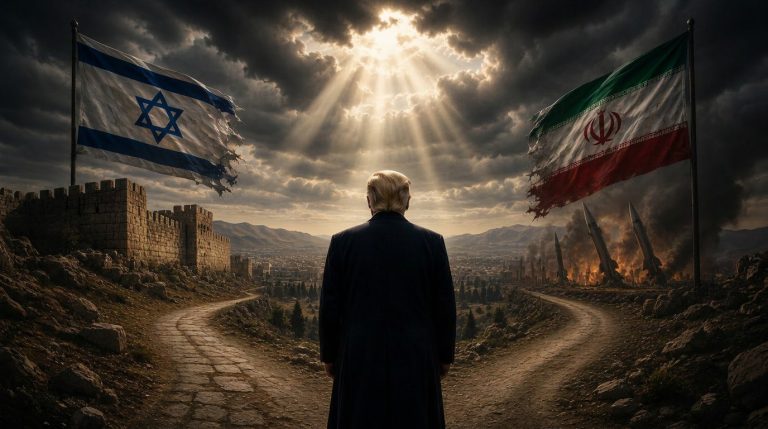
Trump’s Peace Plan: A Historic Day, No Matter the Outcome
Prime Minister Netanyahu touted the
unveiling of President Trump’s peace plan, including its position on Judea and
Samaria, as a historic moment, almost as great as May 14, 1948, when President
Truman first recognized the State of Israel.
Whether it indeed proves to be historic or simply a footnote to history
has yet to be determined.
To me, though, sitting in the East Room of
the White House with goosebumps watching the president deliver his message and
then the prime minister respond, there was something else that felt historic. Though it wasn’t referenced, there was a
different date that I couldn’t stop thinking about as I looked around the room
at the group gathered. Included in this group were prominent and powerful
Jewish leaders and senior officials, many of whom are welcomed regularly in
those hallowed halls, something unthinkable only a few decades ago.
The event in the White House took place
one day after January 27th, which marked the 75th
anniversary of the liberation of Auschwitz.
More than 1 million people were killed in the gas chambers at
Auschwitz, the overwhelming majority of whom were Jews. Ninety-four-year-old Bat-Sheva Dagan spoke next to the iconic
railway tracks at Auschwitz. She described having her head shaved and arm
tattooed upon her arrival and how she was forced to sort the belongings of
those sent to their deaths. “Where was
everybody?” she asked. “Where was the world, who could see that, hear that, and
yet did nothing to save all those thousands?”
The skeletons who walked out of Auschwitz,
barely clinging to life, could never have imagined that just 75 years later,
there would be a Jewish state, a return to our biblical homeland, and a place
of refuge for Jews throughout the world.
Would they have believed that just 75 years later, almost to the day,
the president of the most powerful nation would pledge his support to the
safety of the thriving Jewish state, committing to continued military
cooperation, and promising borders that would always keep it secure?
Larry Weinberg, a past president of AIPAC, would relate that in 1944, he was a soldier in the U.S. 100th infantry division. They were in combat in the Vosges Mountains when a fellow soldier came to tell him they had found a Jewish man hiding in the woods who wanted to know if any of the American soldiers were Jewish. He describes running to meet the man, finding him gaunt and unshaven. As he got closer, he was filled with emotion, feeling as if he was somehow part of this man’s liberation. He reached out to the man who he asked in Yiddish if he was a Jew. Larry responded enthusiastically, “Yes, I am a Jew!” The man came closer, spit in his face and said, “You came too late,” and walked away. Larry never saw him again, but he pledged then and there that he would spend the rest of his life doing all that he could to make sure that when our people are in need or are in danger, we will never be too late.
The most powerful moment of the day for me
was when Prime Minister Netanyahu addressed Jared Kushner and said, “I know how
much the Jewish future means to you and to your family. Well, Jared, today you
have helped secure that future. The Jewish State owes you and it owes President
Trump an eternal debt of gratitude.”
Jared’s grandparents, Joseph and Rae
Kushner, were survivors. They came to America in 1949, determined not only to
survive, but to thrive. They were among
the builders of the community of Elizabeth, New Jersey, and were great
philanthropists involved with many Jewish causes. Seventy-five years ago, could they have
dreamt that their grandson would not only be the son-in-law of the president,
but credited with securing the Jewish future and the Jewish state, fulfilling
our collective promise to never be too late again?
None of us know if this peace plan will
pan out and prove to be historic. But
what felt historic already was listening to the Prime Minister of the Jewish
State with the President by his side quote Pirkei Avos to capture the moment – אם לא עכשיו אימתי, if not now, when,
and if not us, who? What felt historic
was to be comfortable in a building that previously Jews were denied entry to,
to be among leaders whose predecessors wouldn’t meet with us in our darkest
days. On the day after we marked the
liberation from Auschwitz, a time in which the world showed up too late, it
felt historic that a grandson of survivors was recognized for showing up to
protect our Jewish homeland.
This potentially historic event took place
the day after Rosh Chodesh Shevat. We
have a tradition that Shevat is an acronym for “She’nisbaser Besuros Tovos,” may
we hear only good news and good tidings.
May this day and this plan bring the news
of peace, safety and prosperity for our brothers and sisters in Israel and may
they continue to have the love, friendship and support of the United States of
America.




 6 min
6 min